You Did the Checklist. So Did Everyone Above You.
You've seen the list. Add statistics. Quote an expert. Break the page into headings and bullet points. Put an FAQ at the bottom. Write a short summary for the AI at the top. It's the same advice on every AI SEO article, and it isn't wrong. Those changes do make a page easier for an assistant to quote. The problem is that every business above you in the answer read the same article, and the list never says what happens when they all do it at once.
In August 2026, a research team at Capital One published a study of AI tactics under competition. They took 15 rewriting tactics from that checklist, rewrote pages with each one, and measured how much of an AI assistant's answer each page earned, first against untouched competitors and then against competitors who had been optimized as well. Three findings matter to a business owner, and none of them needs a decimal point.
A page that stood still lost about a tenth of its share of the answer, with nothing on it changed, purely because the pages beside it got better. The most popular tactics faded as more competitors used them, and once most of the neighborhood had optimized, a page rewritten with any single tactic scored below a page left alone. And the one method that kept winning didn't apply the checklist blindly. It read the competing pages first and did whatever they'd left undone.
The Winner Read the Competition First
The winning approach in the study was a model trained to look at the question, look at every competing page, and pick a combination of tactics that would make the target page the one worth quoting. It was never told how optimized the competitors were. It had to notice, from the pages themselves, what everyone was already doing and what nobody was.
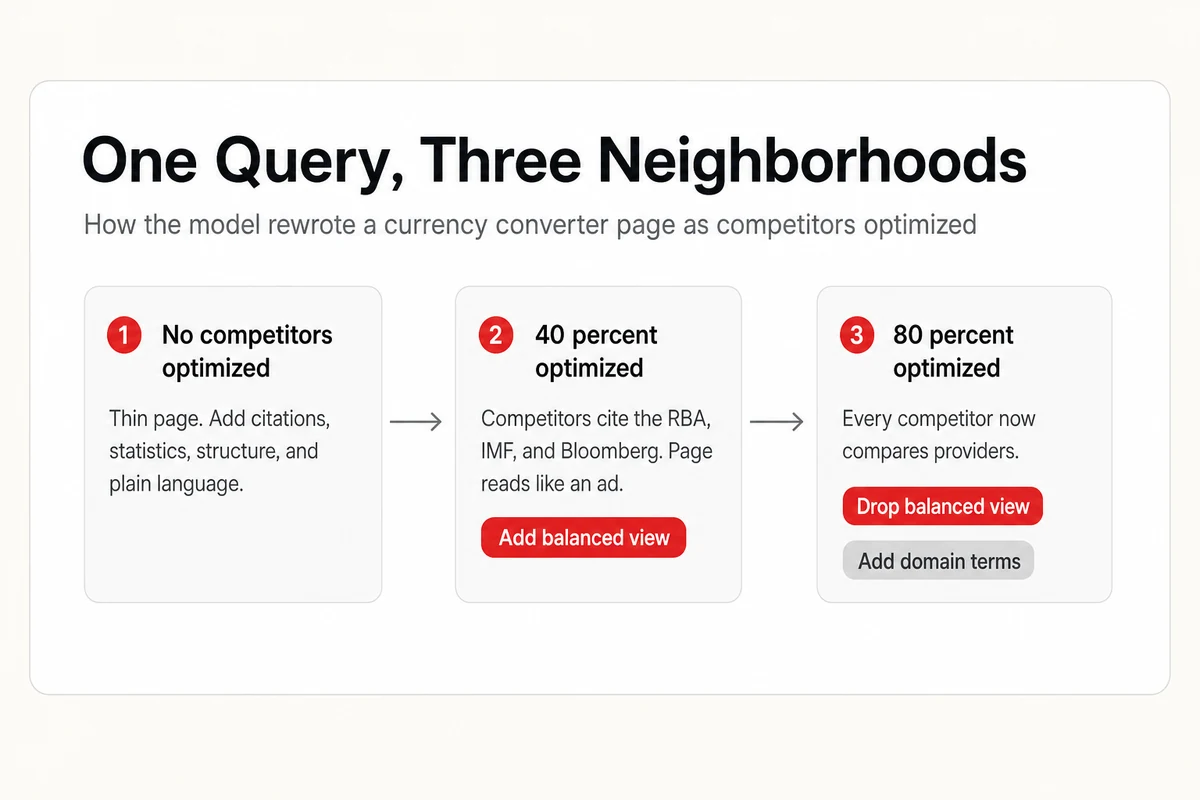
The clearest example was a page for a currency converter search. When no competitor had been optimized, the model gave the page the standard treatment, citations, numbers, structure, plain language. When some competitors had optimized and were citing the Reserve Bank of Australia and the IMF while the target page still read like an advertisement for one provider, the model added a comparison of several providers to the target. And when nearly every competitor had optimized and all of them offered that comparison, the model dropped it again, because it no longer set the page apart, and reached for the one gap still open. Same page, three neighborhoods, three different rewrites.
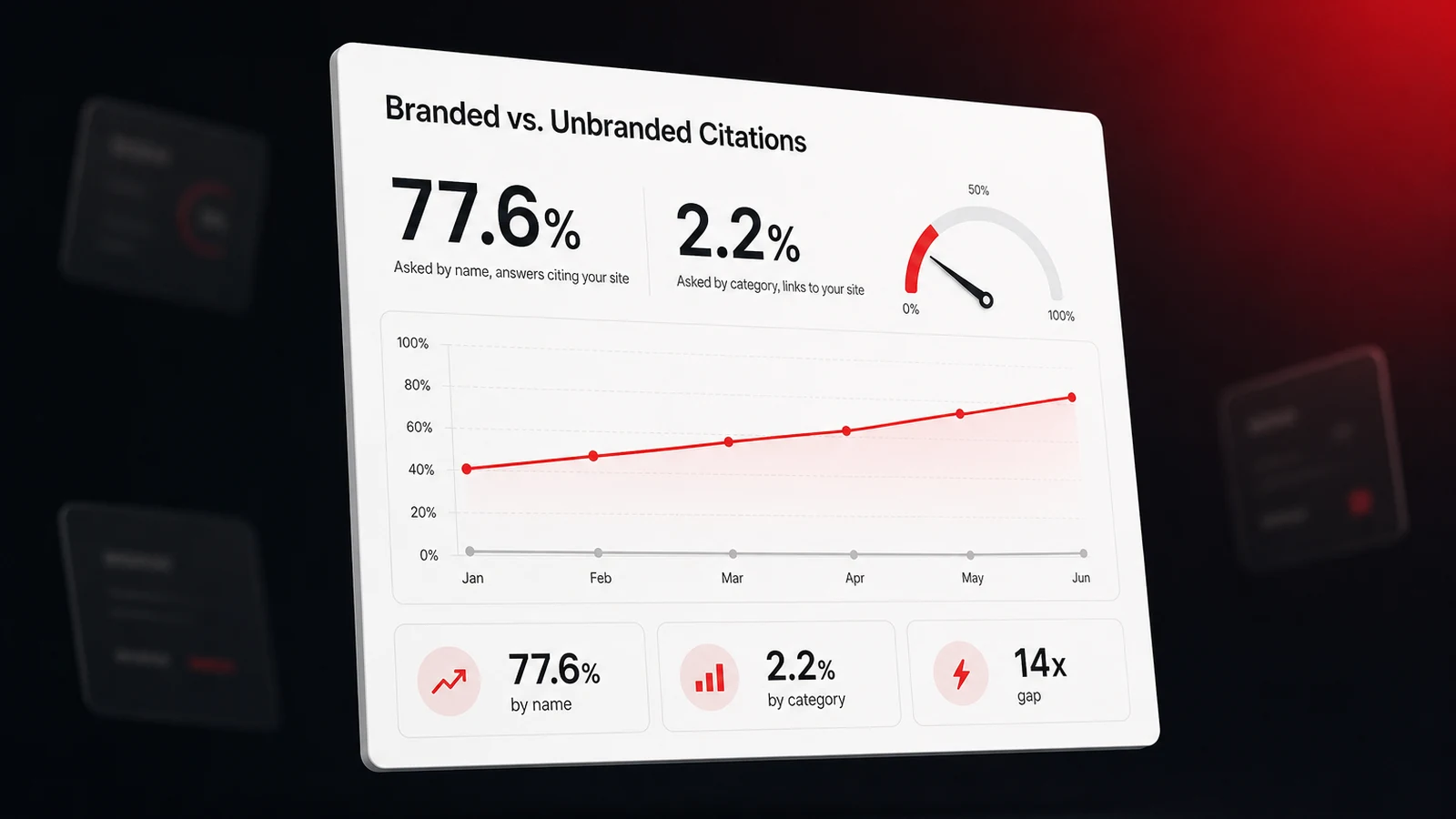
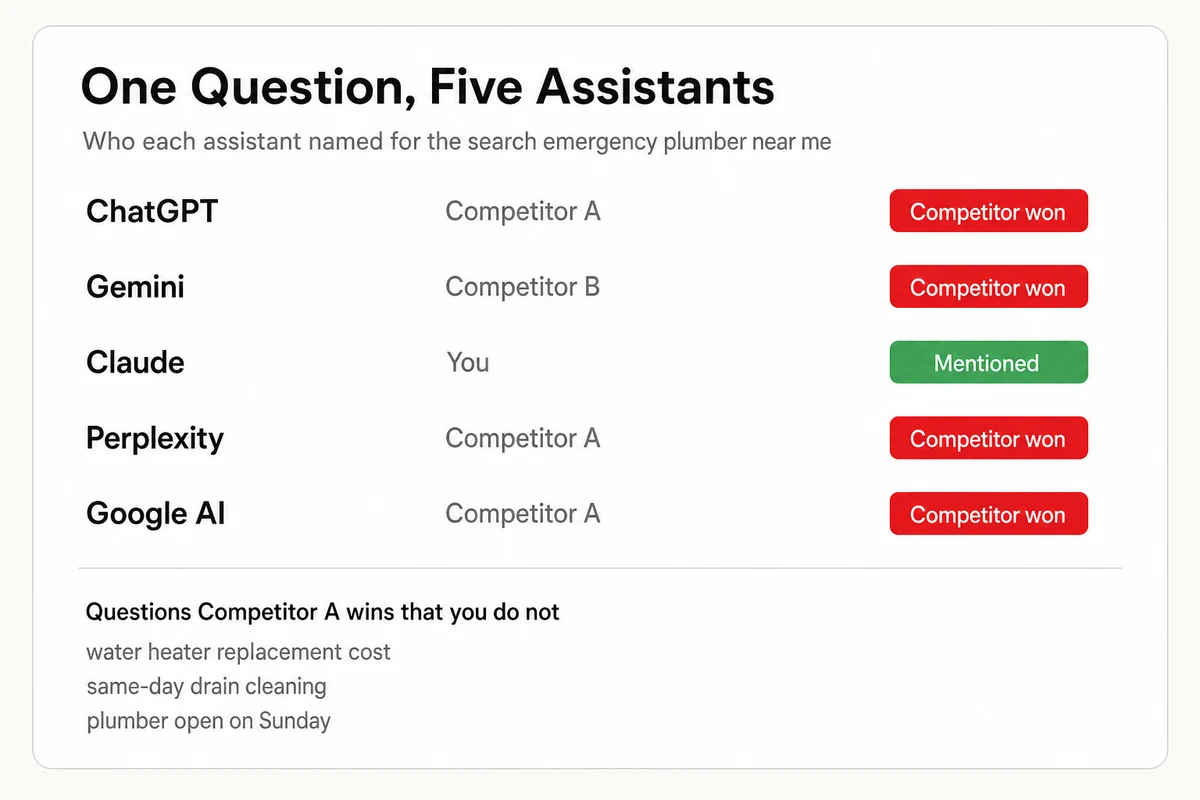
That's the whole lesson, and it's a workflow, not a tactic. Before you rewrite a service page, find out who AI is naming for the question that page should win, and read what those pages already do. Run the customer's question yourself, with your city in it, on ChatGPT, Gemini, Claude, Perplexity, and Google AI, and write down every business named and every page cited. We laid out the manual version in our post on the branded vs. unbranded AI citation gap. It takes an evening per question, and you have to repeat it, because the list changes.
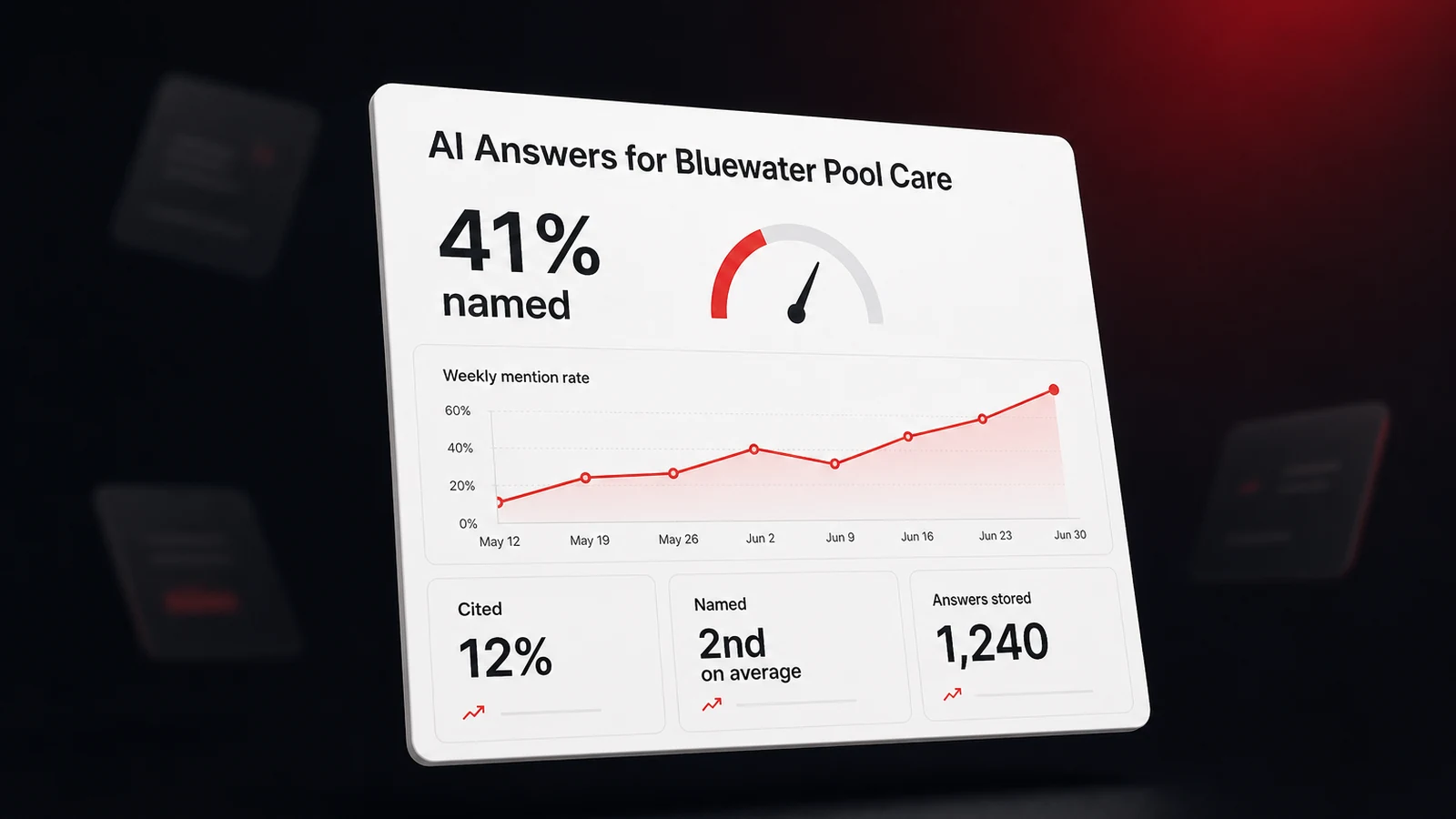
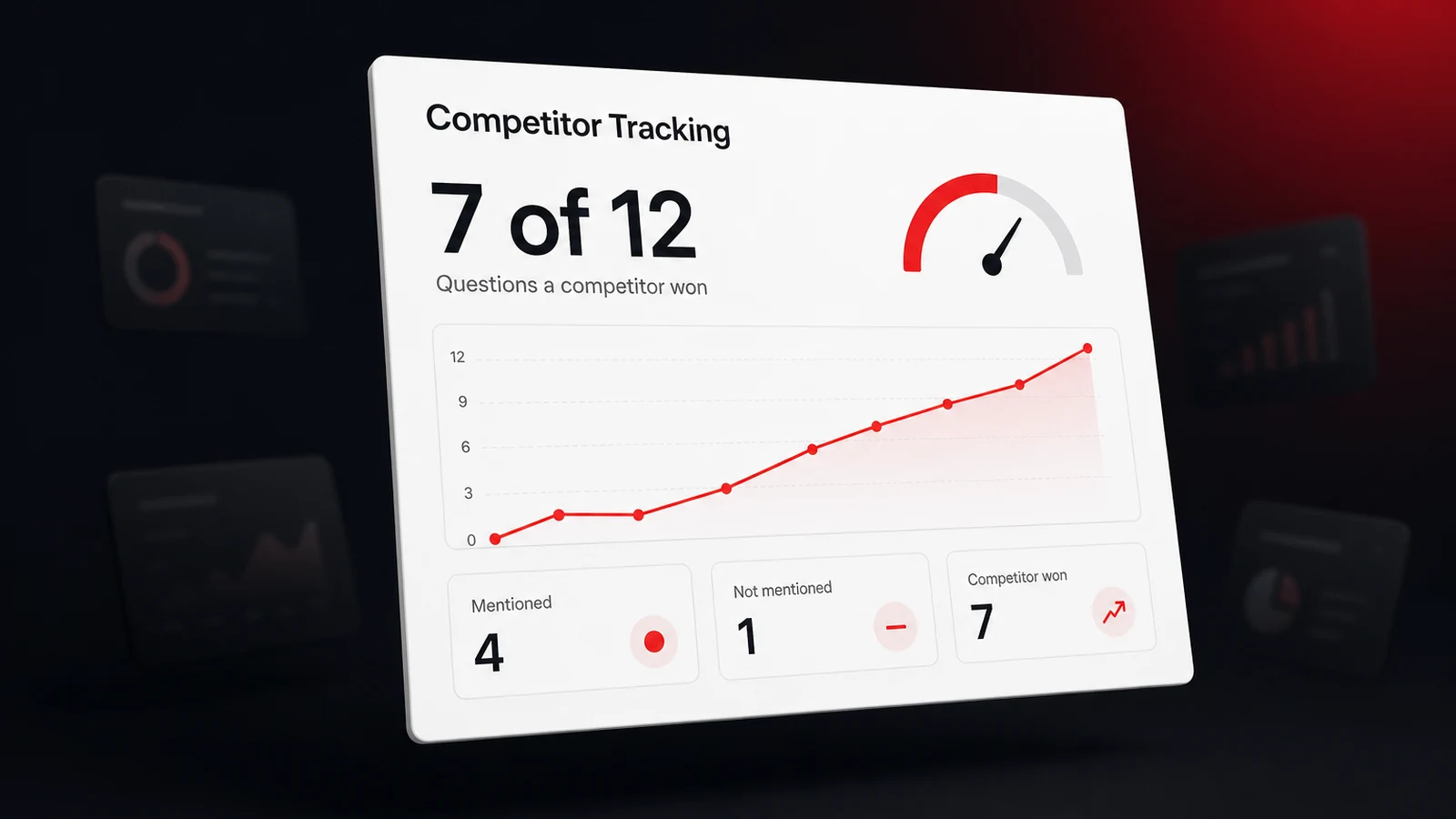
This is exactly the gap Lighthouse Local's AI visibility tracker fills. It asks each assistant the questions your customers ask, sorts every answer into mentioned, not mentioned, or competitor won, and shows which competitor is taking the questions you're not. Instead of guessing at the neighborhood, you open the prompt, see who won it and what the answer leaned on, and rewrite against the real list.
What Held Up, What Faded, What Never Helped
The study also settles which items on the checklist deserve your time. Once competitors had optimized too, the 15 tactics sorted into three groups.
| Group | Tactics | What to do |
|---|---|---|
| Held up | Tables and lists, real numbers, explaining the how and why behind a claim, plain language | Do these, with your own facts |
| Faded | Quotes from named experts, a summary written for the AI at the top, a more confident tone | Only where competitors have none |
| Never helped | Extra keywords, fancier vocabulary, adding counterpoints for balance, pros-and-cons padding | Skip |
The top group is the one that fits a local service page anyway. A repair-cost page with a table of typical ranges, a plain explanation of why a job costs what it costs, and a list of what's included is exactly what an assistant lifts into an answer. If you've read our comparison of SEO and answer engine optimization, this is the same lesson in practice. The assistant is looking for the passage that answers the question, not the page that repeats it.
The middle group is where the checklist misleads. Quoting an expert was one of the strongest single moves in the earliest research, and in this study, once competitors were quoting experts too, it earned less than an untouched page had earned before anyone optimized. It still works when yours is the only page that does it, which is why you check the competition first. The bottom group never moved the needle even in a quiet neighborhood, and it's where most of the effort on a typical "AI optimized" page goes. Trimming filler is the odd one out. It held its value about as well as plain language did, but the trimmed pages in the study lost more than half their length, so cut your own filler rather than letting a model decide what counts as filler.
Never Let AI Invent a Number About You
Here's the finding that should stop you from pasting your service page into a chatbot and asking for an AI-friendly rewrite. The researchers also graded every rewritten page on how faithful it stayed to the original. The rewrites that won the most visibility scored lowest on staying true to the source. Look at the sample rewrites and you can see why. A page about why colors fade in sunlight gained a precise percentage about red pigments, attributed to a photochemistry journal, and another version cited a NASA materials handbook. The rewriting instructions forbade invented statistics and sources. The model added them anyway, because the tactic asked for numbers and the page didn't have any, and the paper doesn't say whether anyone checked that those references exist.
For a research benchmark that's a footnote. For a local business it's the whole risk. An AI answer that quotes a made-up price, an invented years-in-business figure, or a certification you don't hold is quoting it under your name, and the assistants cross-check local businesses against Google's records and review sites. A contradiction between your page and your profile costs you the trust that made the page worth quoting.
So the tactic that held up best after structure, adding real numbers, is only safe when you supply every number. Here's the prompt that makes that the rule. It adapts the study's own rewriting instructions with one change. The rewriter may use only the facts you give it, and it has to flag any fact it wanted but you didn't supply.
You are rewriting one service page so an AI assistant answering a customer question is more likely to quote it. The page competes with the pages under COMPETING PAGES, which the assistant reads alongside it.

CUSTOMER QUESTION
[the question, with the city in it, e.g. how much does AC repair cost in [your city]]

COMPETING PAGES
1. [paste the text of the first page the assistant cited]
2. [second cited page]
3. [third cited page]

FACTS YOU MAY USE
The only numbers, names, dates, and credentials allowed in the rewrite:
- [business name, city, license type and number]
- [price ranges from recent jobs, with the period they cover]
- [response time or scheduling promise]
- [review count and rating, with the date checked]
- [years in business, certifications, memberships]

STEP 1. For each competing page, list which of these it already does well: real numbers, quotes from named experts, cited sources, tables or lists, plain language, explanations of how and why, a comparison of several providers.

STEP 2. Name the two or three things none of the competing pages do well, and explain in one sentence each why they would make this page the one worth quoting.

STEP 3. Rewrite the page applying only the changes from step 2, plus tables or lists where they help a reader.

RULES
- Use only the facts under FACTS YOU MAY USE. Never add a statistic, quotation, study, source, or credential that is not listed there. If a change needs a fact I have not supplied, write [NEED FACT] in its place and move on.
- Keep every claim the original page makes. Do not change what the business offers.
- Keep the page about the same length, in plain English a homeowner would read.
- Output step 1, then step 2, then the rewritten page.

ORIGINAL PAGE
[paste the page text]
Every NEED FACT in the output is a number you either go and measure or leave out. If you'd rather hand off the page work, our plans and pricing page offers a done-for-you add-on, where our specialists handle the on-page work from the facts you give them and you approve it before it publishes.
Get Found Before You Get Quoted
One limitation the study's authors state themselves matters more for a local business than any finding above. Their test handed the assistant five pages and asked it to write. In the real product, the assistant searches first, and only the pages that come back from that search get read at all. A separate 2026 benchmark, SAGEO Arena, ran the same kind of tactics through a full search and re-ranking step before the answer was written and found most of them impractical under those conditions, with many hurting how the page did in retrieval. Our post on how AI answer engines source content versus traditional search walks through that step. The short version is that a rewrite can't rescue a page the crawler can't reach.
So the order of work is fixed. First the fundamentals that decide whether your page is in the room at all, crawlable, in your sitemap, fast, marked up so a machine can read your name, hours, and services. Then the rewrite that decides how much of the answer you get. A free Lighthouse Local audit scores that first half on your own site and returns a ranked fix list, so you know the door is open before you rearrange the room.
The Neighbors Keep Moving
The uncomfortable part of the study isn't any single tactic. It's that the right rewrite for your page depends on pages you don't control, and those pages change. A competitor adds a price table next month and your table stops setting you apart. A directory rewrites its category page with expert quotes and quotes stop being a gap. A page that stood still in the study lost share for exactly that reason. The winning model handled it by reading the neighborhood fresh every time. A business handles it by checking on a schedule instead of once.
That's the job the Lighthouse Local AI visibility tracker does between rewrites. It re-runs your customers' questions on every assistant each week, keeps a leaderboard of who AI names most for your searches, and shows you when a competitor takes a question you held, so the next rewrite starts from what changed rather than from the checklist. Read the competition, keep every number yours, and check the answer again next month, because the businesses ranked above you read the same articles you do.
Frequently asked questions
Does the AI SEO checklist still work?
The individual tactics still help a page get quoted when your competitors haven't used them. A 2026 study found that once most competing pages had been optimized the same way, a page rewritten with any single checklist tactic earned less of the AI answer than a page left alone. What kept working was reading the competing pages first and doing what they had left undone.
What should I change on my page to get quoted by AI?
Start with tables and lists, your own real numbers, plain language, and a clear explanation of the how and why behind what you charge or do. Those held their value in testing even against optimized competitors. Skip extra keywords, fancier vocabulary, and padding for balance, which never helped, and add expert quotes only if the pages AI already cites for your question have none.
Is it safe to let ChatGPT rewrite my website?
Only if you give it every fact it's allowed to use. In the study, the rewrites that gained the most visibility scored lowest on staying true to the original, and sample rewrites added statistics and citations the source page never contained. Supply your real prices, license details, and review counts, forbid anything else, and have the model flag any fact it wanted but you didn't provide.
How do I find out which competitors AI recommends instead of me?
Ask each assistant the question your customers ask, with your city in it, and note every business named and every page cited. That's the neighborhood you're rewriting against. Lighthouse Local's AI visibility tracker does this automatically, sorting every answer into mentioned, not mentioned, or competitor won, and showing which questions a competitor wins that you don't.