AI Visibility
How ChatGPT, Gemini, Claude, Perplexity, and Google AI decide which businesses to recommend, and how to show up when your customers ask.
20 guides
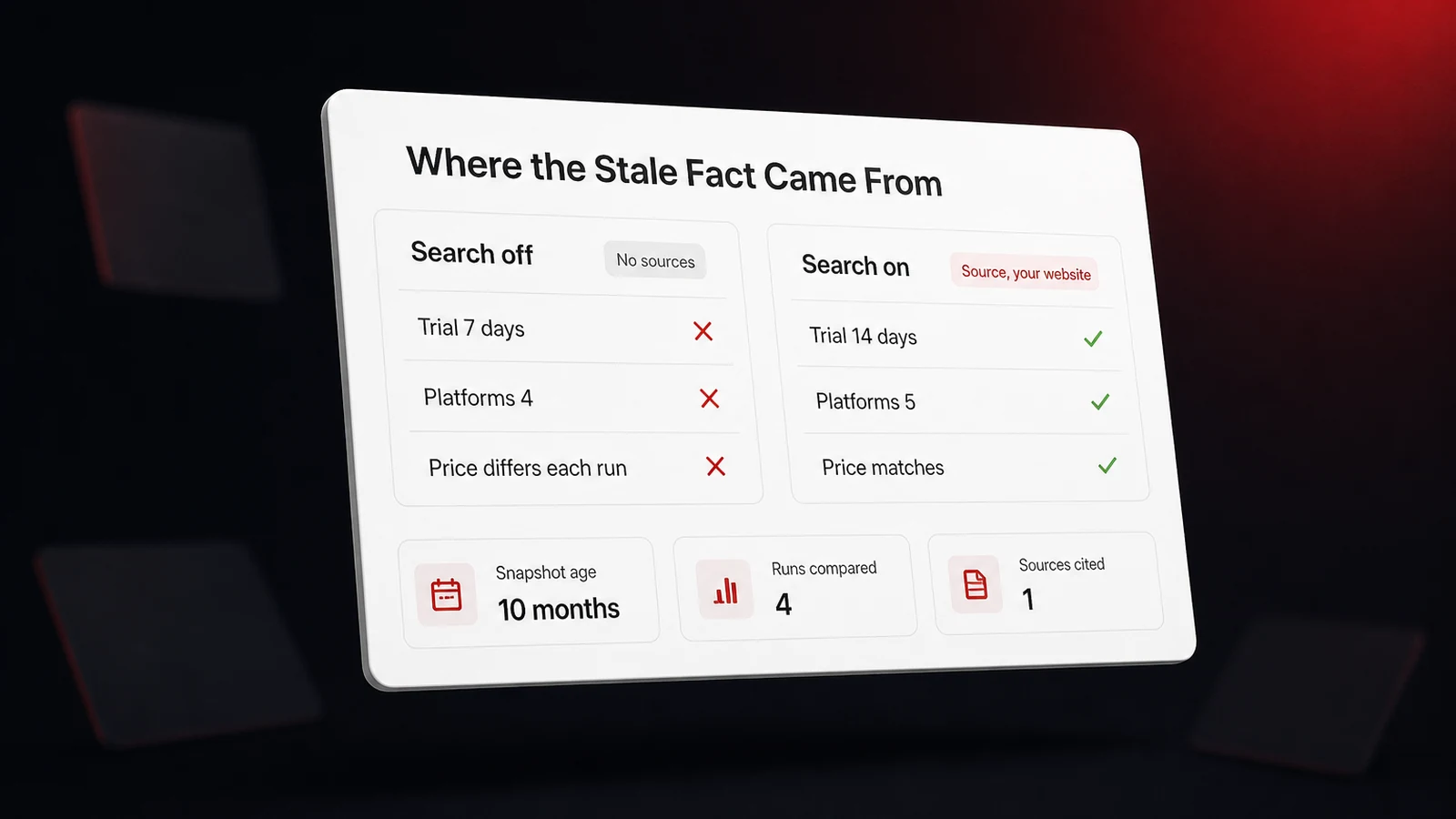
Why Does ChatGPT Have Outdated Information About Your Business?
ChatGPT can quote hours you changed last spring or a price you never charged, and each kind of stale fact has a different source behind it. We tested our own business with search off and on, then traced the four places an old fact hides and what corrects each one.

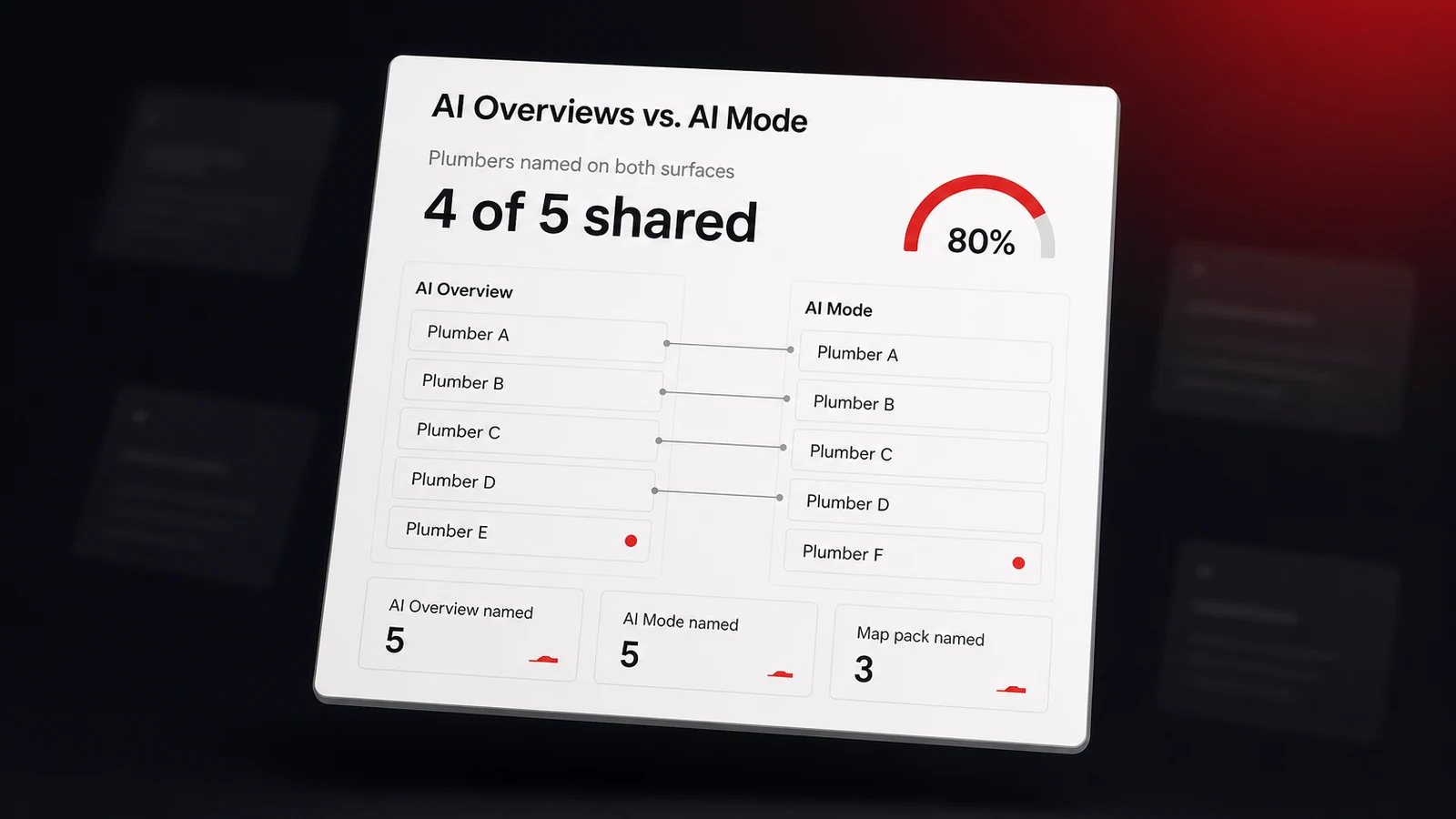
Google AI Overviews vs. AI Mode, Explained for Local Businesses
One sits on top of the results, the other replaces them. We ran the same Boise plumber search both ways, then pulled the 2025 and 2026 research on how often each appears, what each cites, and where the click goes.
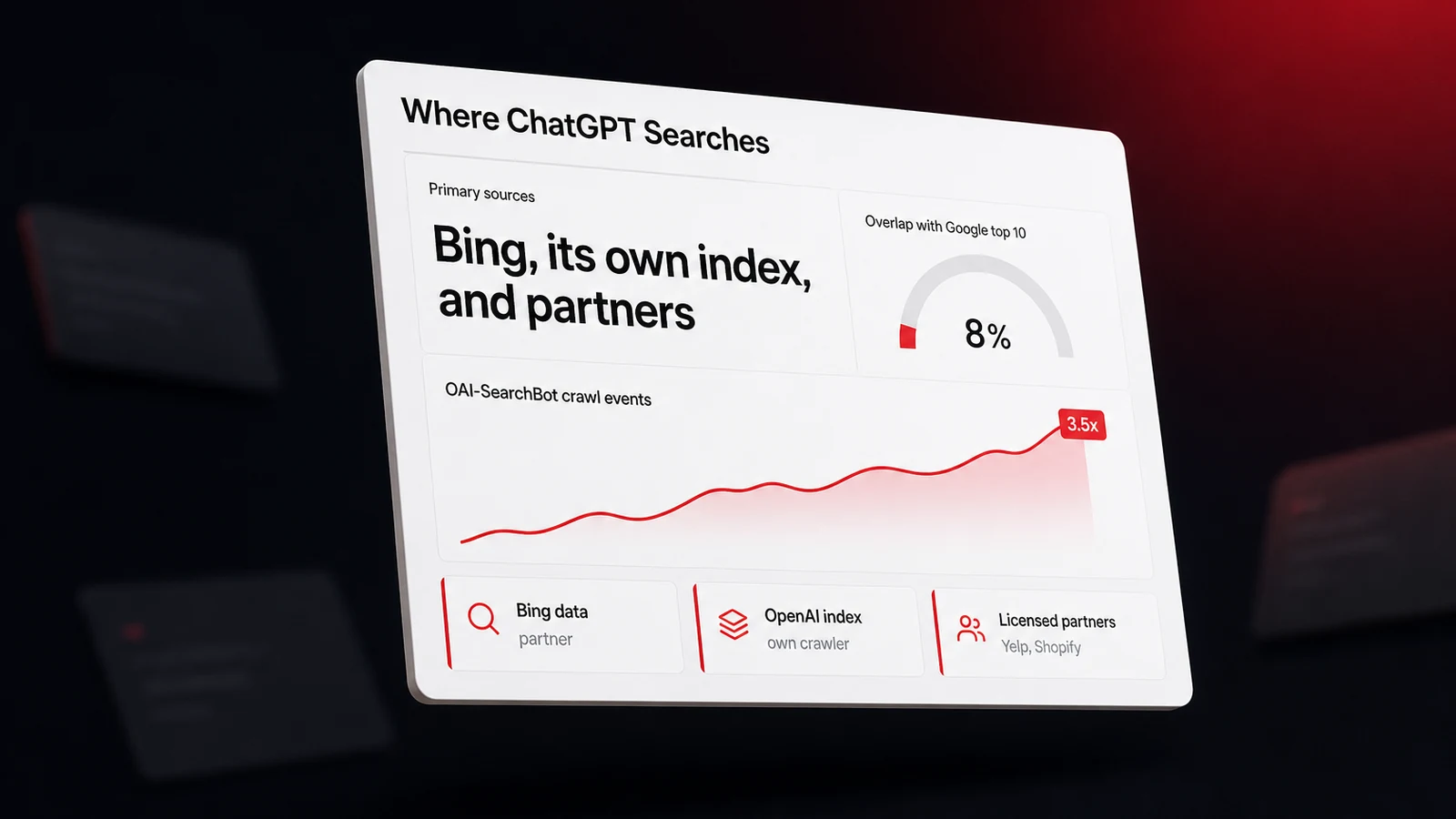
Does ChatGPT Use Google or Bing? What It Means for Local Businesses
ChatGPT doesn't run on Google. It searches Bing's data, an index OpenAI built with its own crawler, and licensed sources like Yelp, and the mix keeps shifting. A dated timeline, the overlap numbers, and what that changes for a local business.
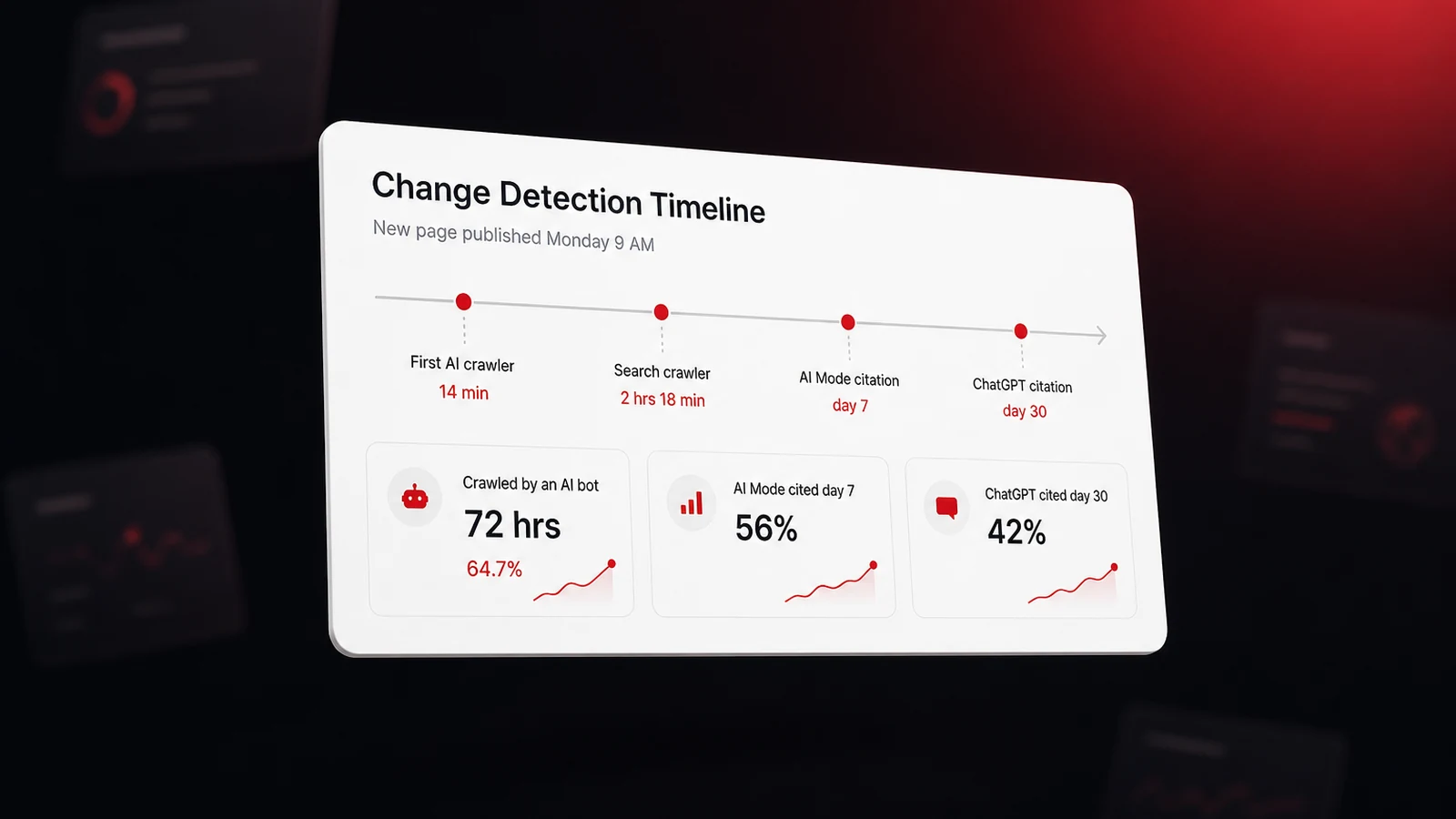
How Long Does It Take AI to Notice Website Changes in 2026?
The first AI crawler can reach a new page within minutes, and a month later ChatGPT may still not cite it. Here are the measured 2026 lags for each assistant, why they differ, and what shortens them.
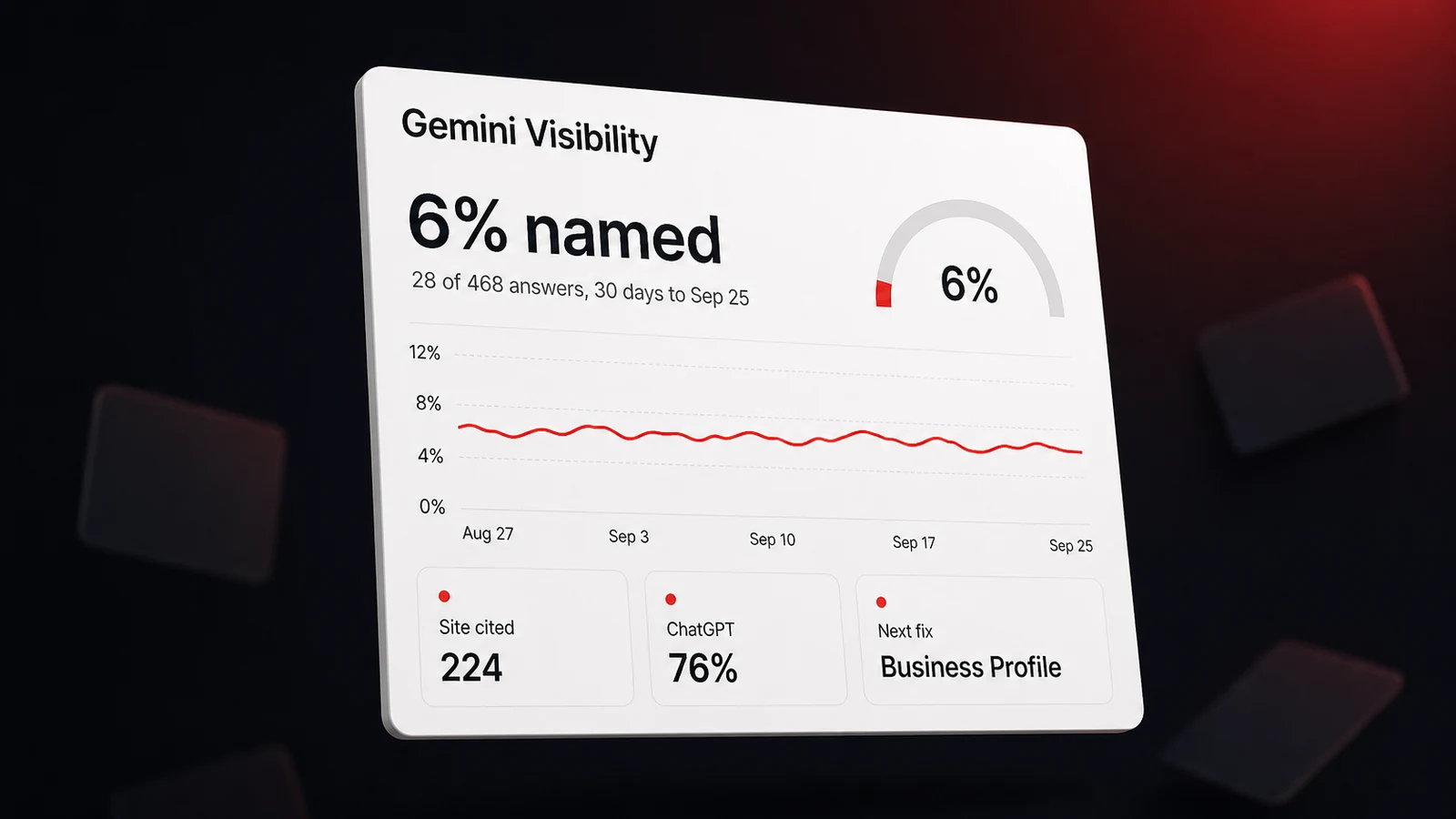
How to Get Your Business Recommended by Gemini
Gemini draws local answers from Google's own map records, so the profile you may not have opened in a year has a lot to say about whether it names you. What it reads, six fixes in order, and a weekly test.
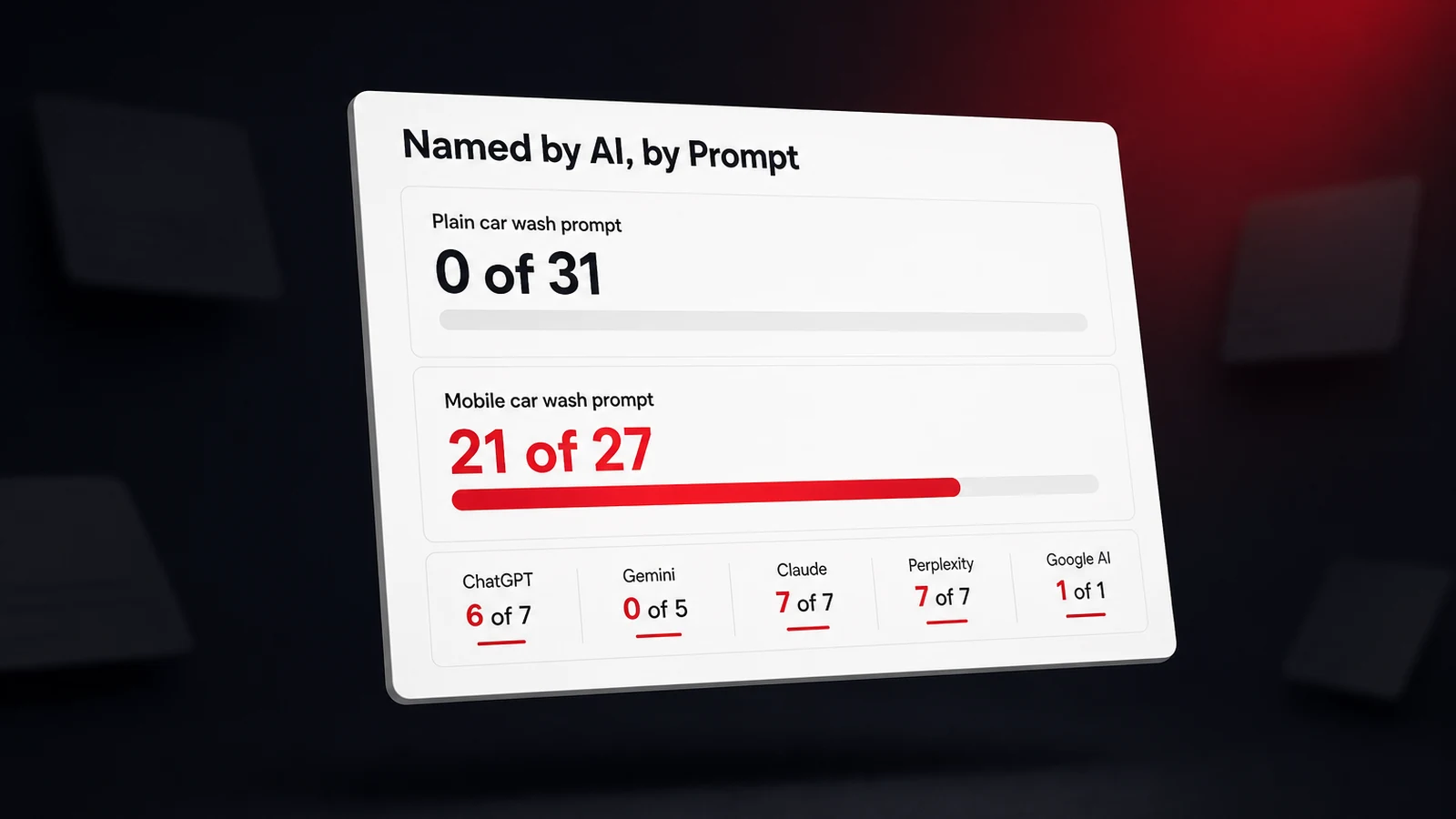
Why AI Knows You but Doesn't Recommend You
In a 2026 study, six AI models never once suggested L.L.Bean to someone asking for a hiking jacket, then named it in nearly nine answers out of ten when researchers rewrote the prompt in the brand's own marketing language. Being known and being recommended are different things, and a three-prompt test shows which one you're missing.
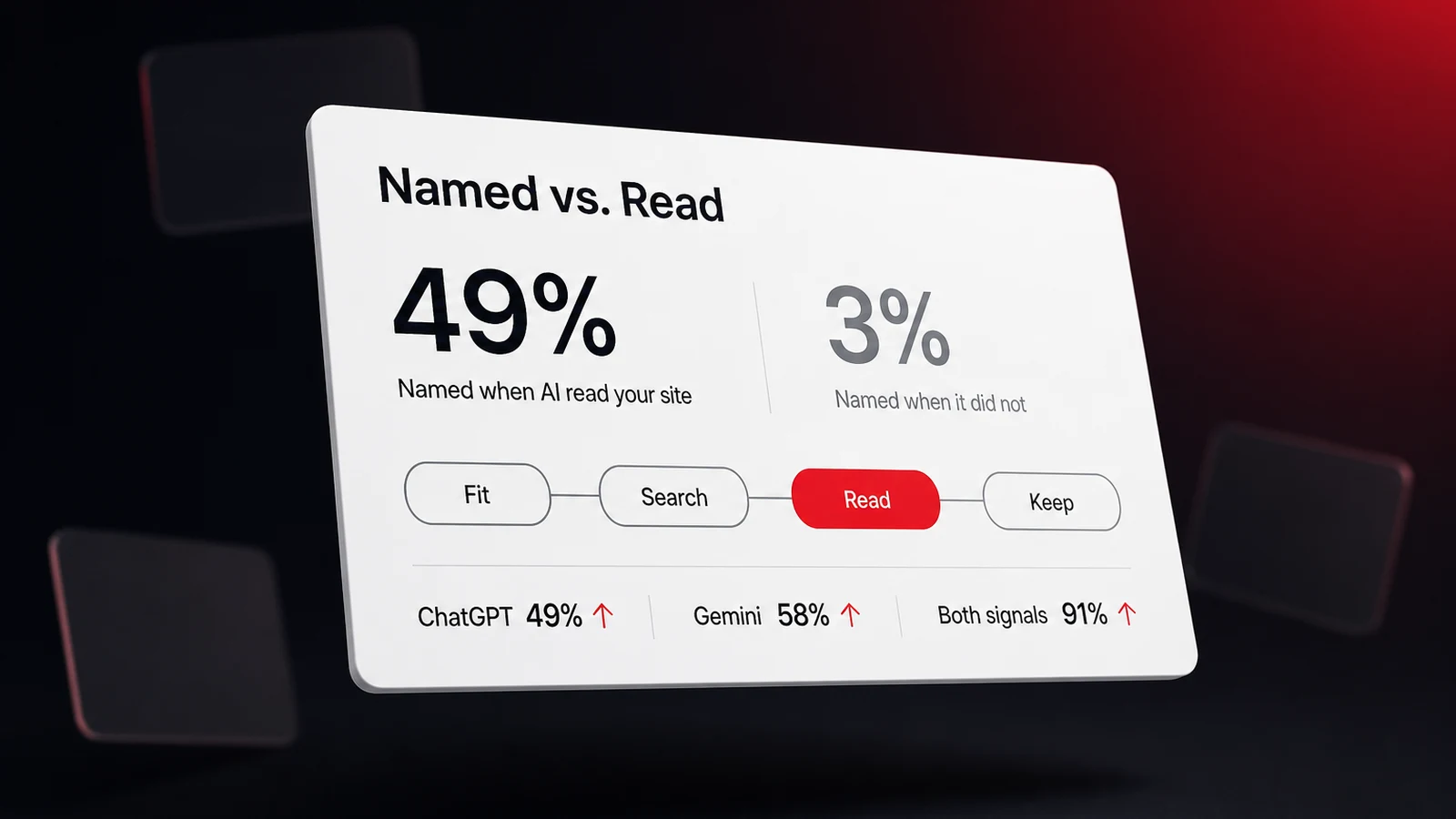
Why AI Names Your Competitor and Not You
When an assistant answers a customer without reading a page of yours, it names you about three times in a hundred. When it reads one, about half the time. A 2026 study of 35,000 answers found four gates between the question and your name, and here's how to tell which one you're failing.
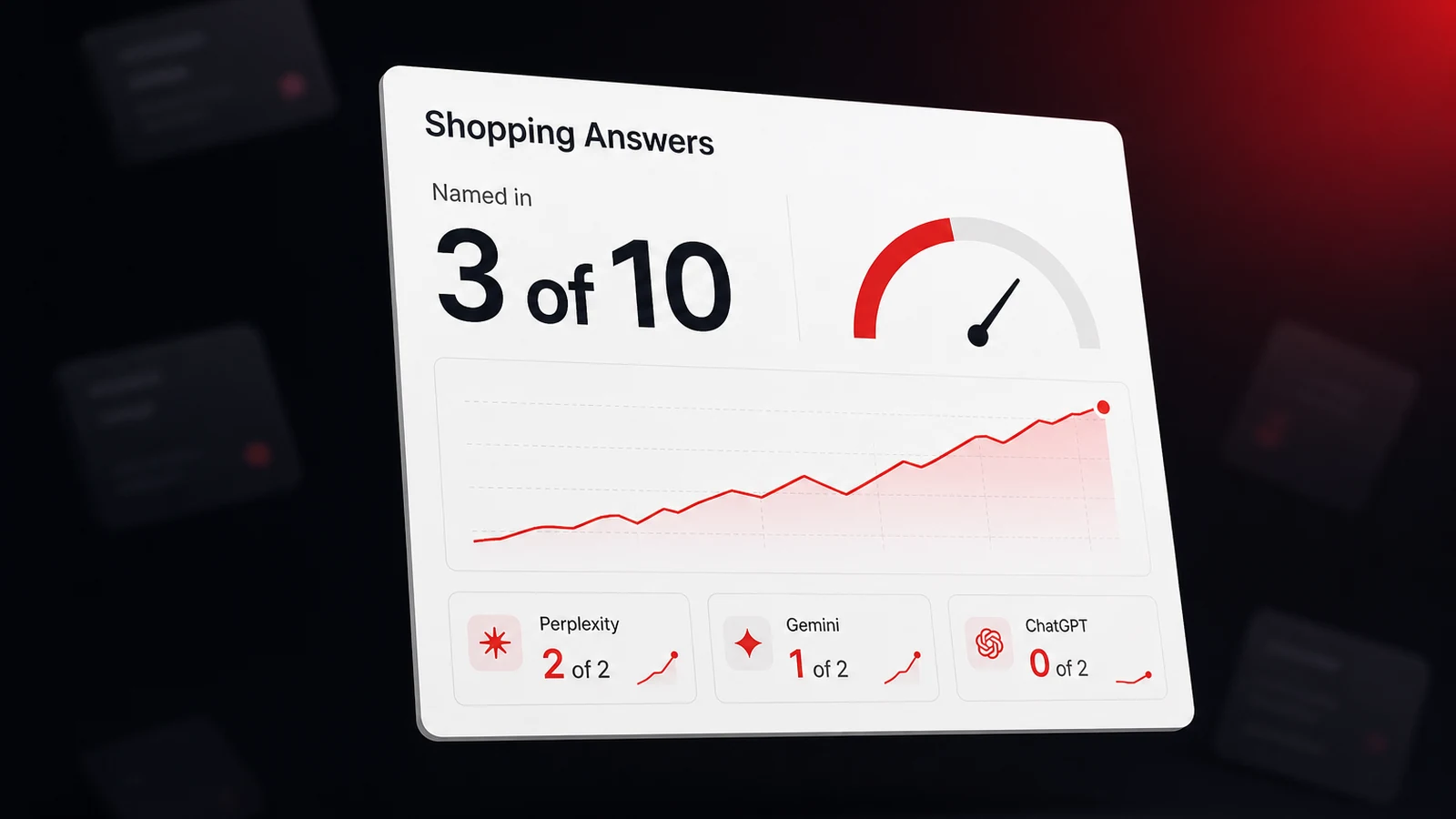
What AI Shopping Assistants Ask Before Recommending Your Business
Before an AI shopping assistant names a business, it asks five questions in a fixed order. We pulled them from what OpenAI, Google, and Amazon publish about their shopping features, then checked them against ten captured answers for one manufacturer we track. It was named three times, and every miss traces to a question it couldn't answer.

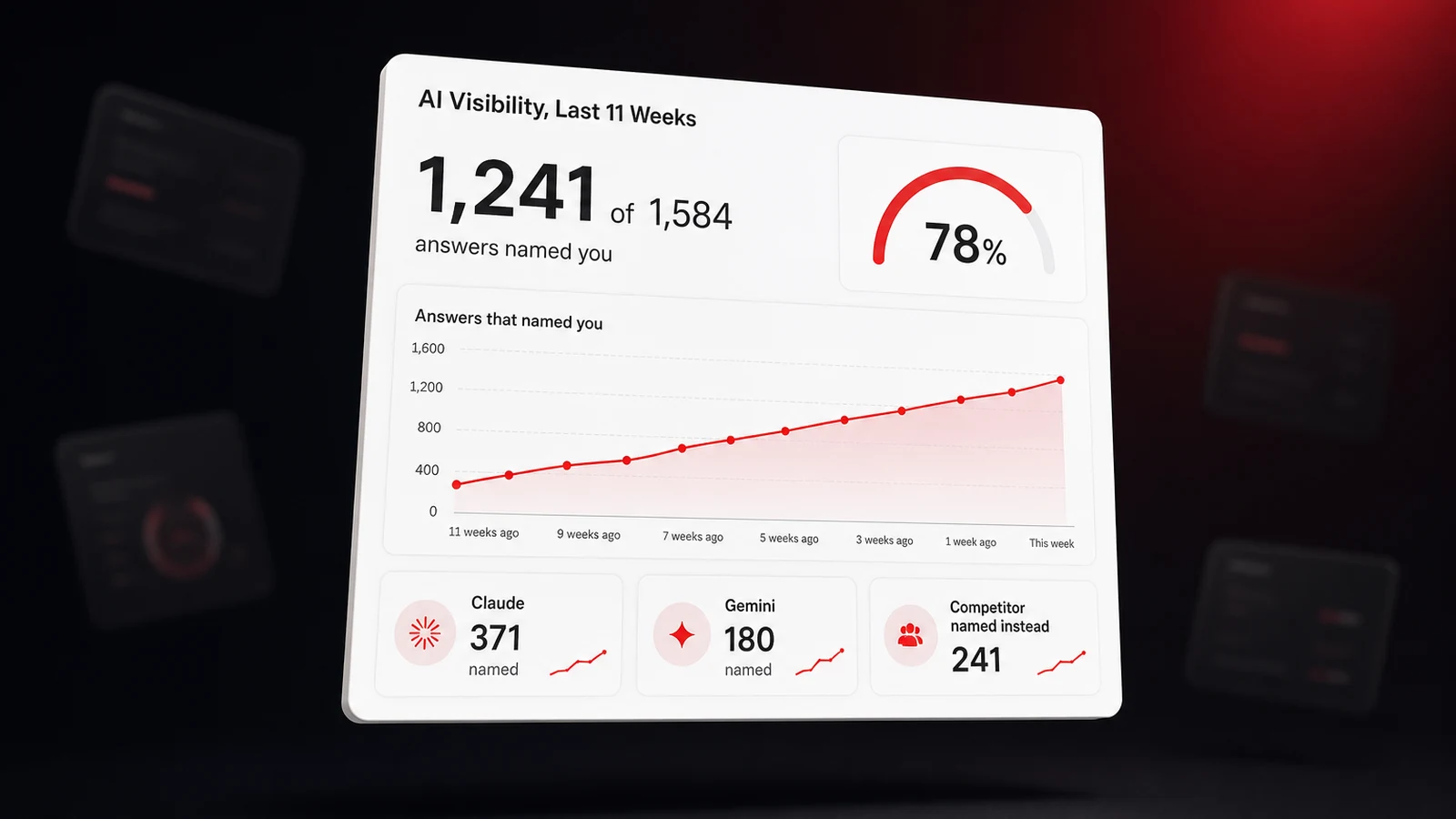
Is AI Visibility Software a Must-Have in 2026, or Can You Wait a Year?
Must-have or defer? A decision framework for AI visibility software in 2026, with two real tracker histories, five questions that settle it, and how to wait without losing the year.
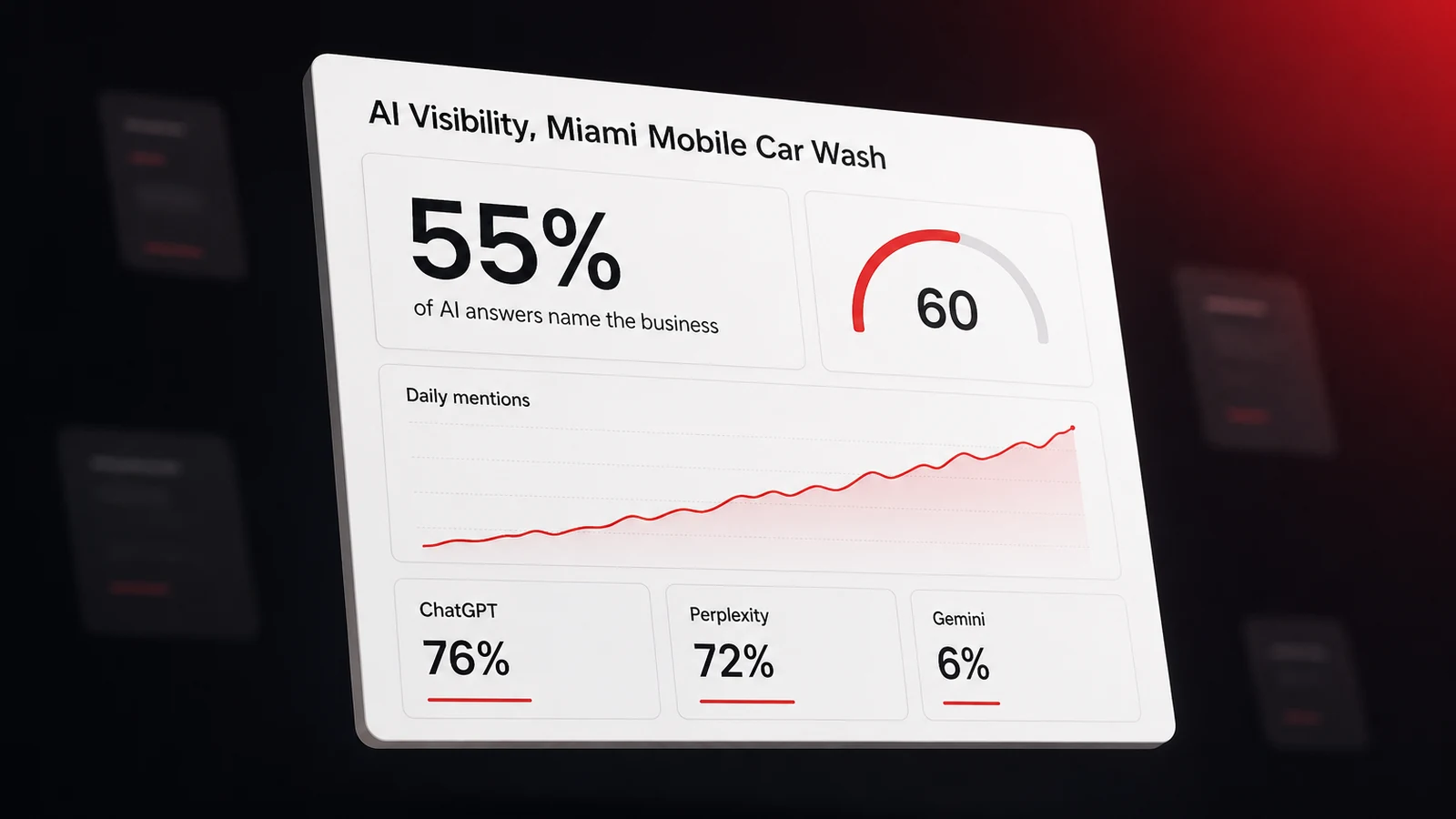
AI Visibility for Local Business, What It Is and How to Get It
AI visibility for a local business is the share of AI answers to local questions that name you. One Miami car wash gets named in three quarters of ChatGPT answers and six percent of Gemini's. Here's why the gap exists, where the names come from, and the six levers that close it.
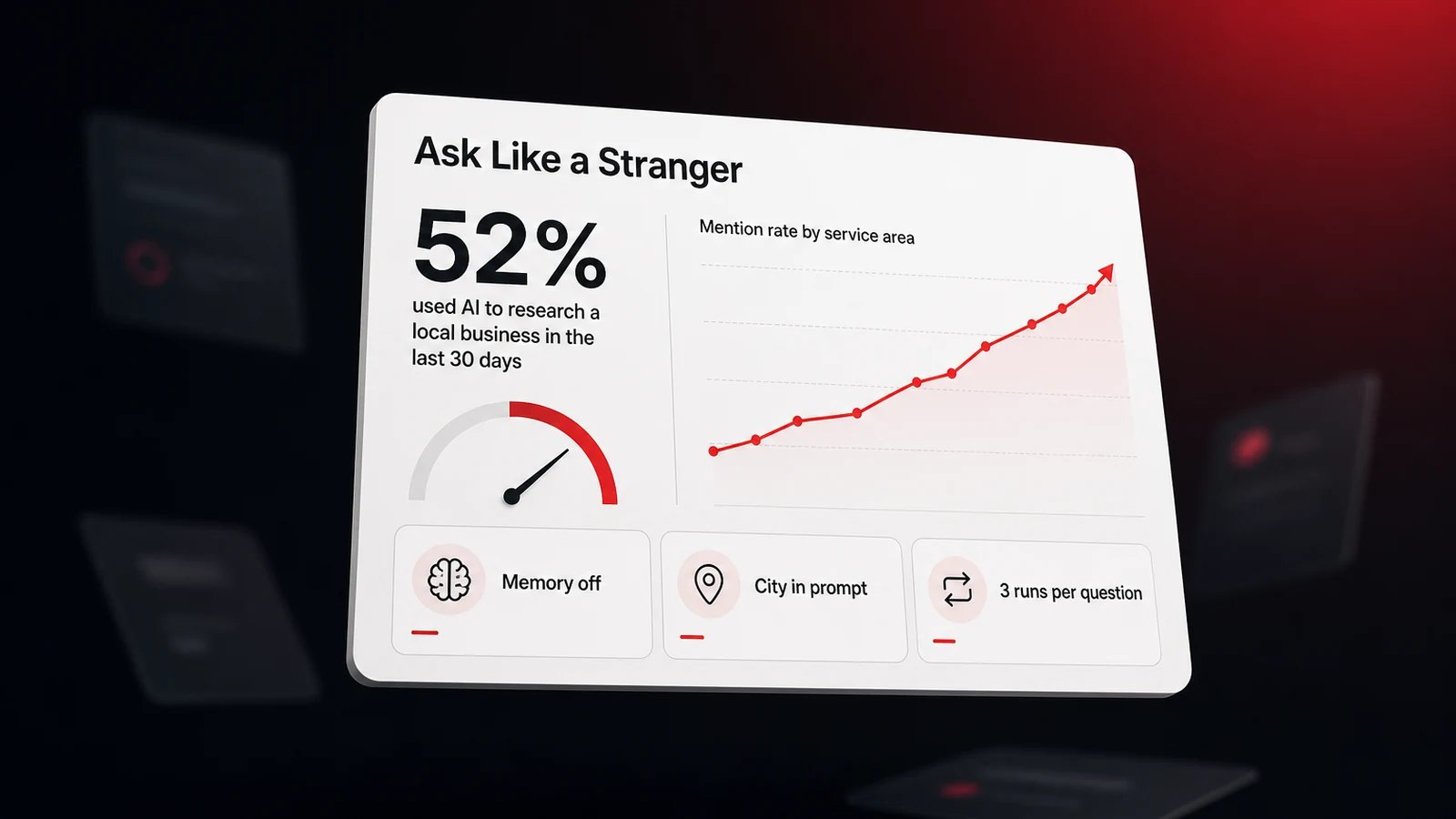
Why AI Recommendations Differ by User
You asked ChatGPT about your own business and it named you. Or it didn't. Either way, your screen is the one that looks least like a customer's, because memory, location, and plain randomness bend every answer. Here's how to ask like a stranger.
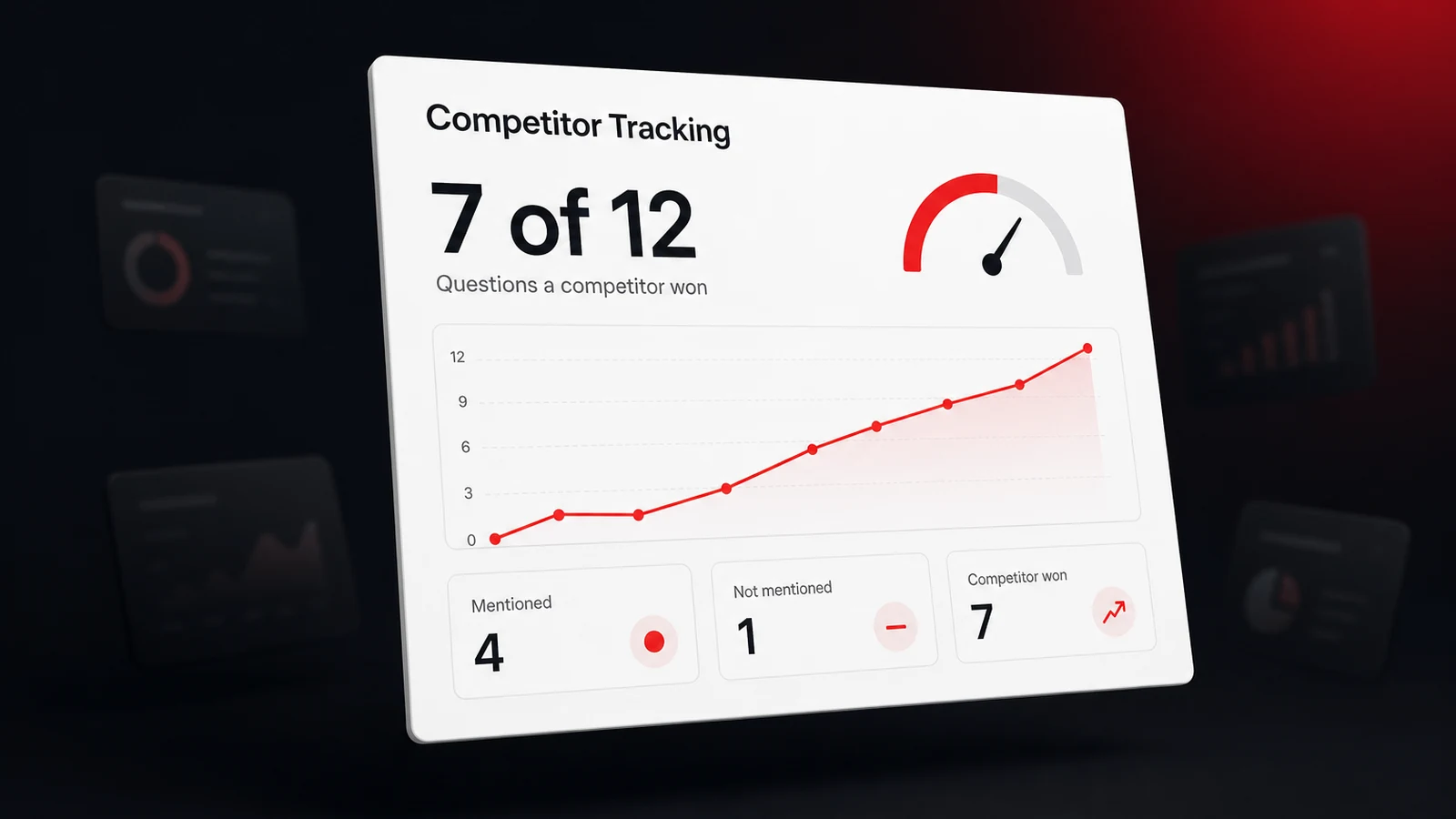
Why the AI SEO Checklist Stops Working
You added the stats, the expert quote, and the FAQ. So did the three businesses AI names ahead of you. A 2026 study tested what happens when everyone runs the same playbook, and the answer is to read the competition before you rewrite a word.
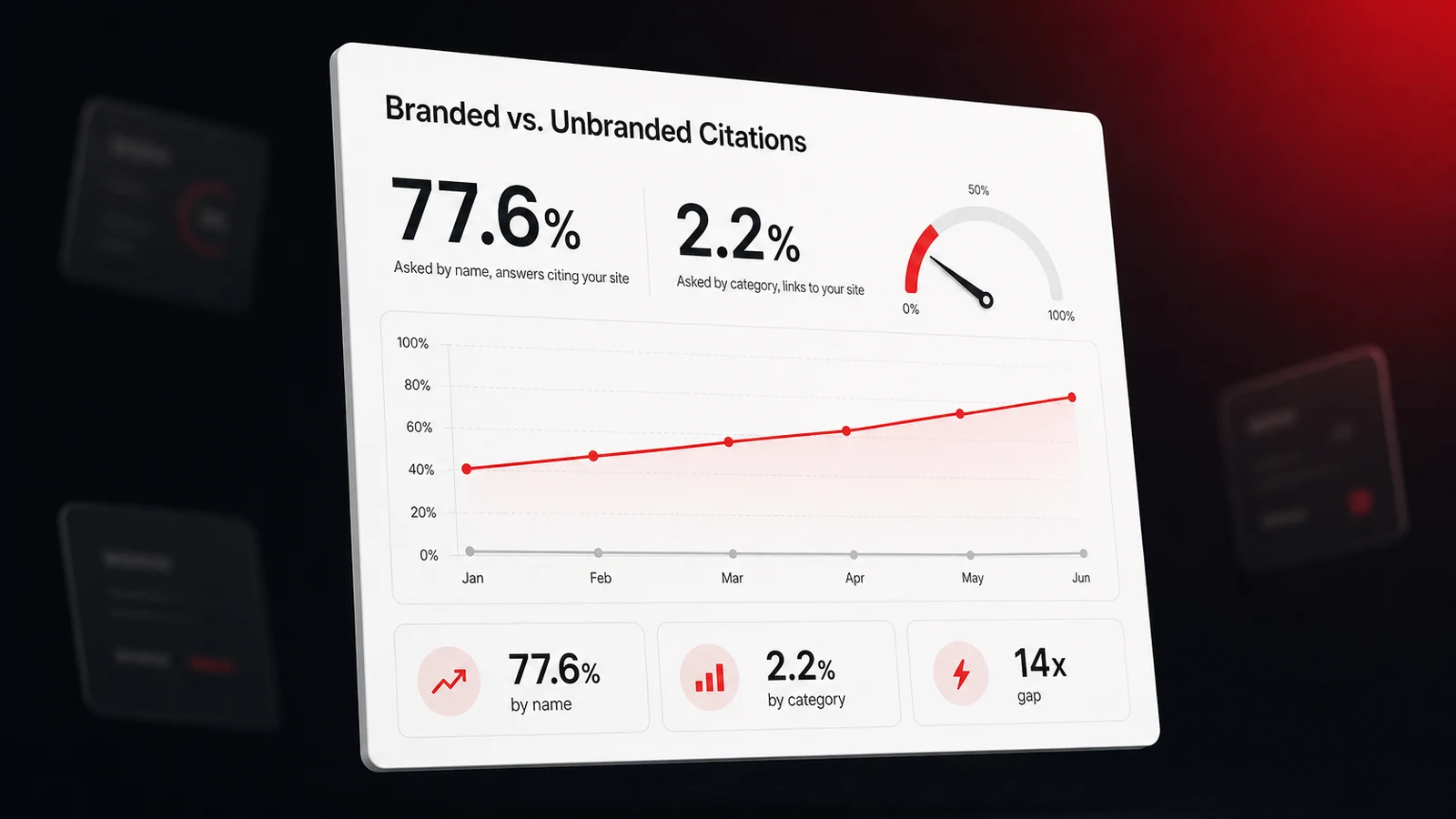
The Branded vs. Unbranded AI Visibility Gap
Ask an assistant about your business by name and it cites your site almost every time. Ask it who to call in your town and your site nearly vanishes. Here's why the two questions run differently, and what the businesses that get named anyway have in common.
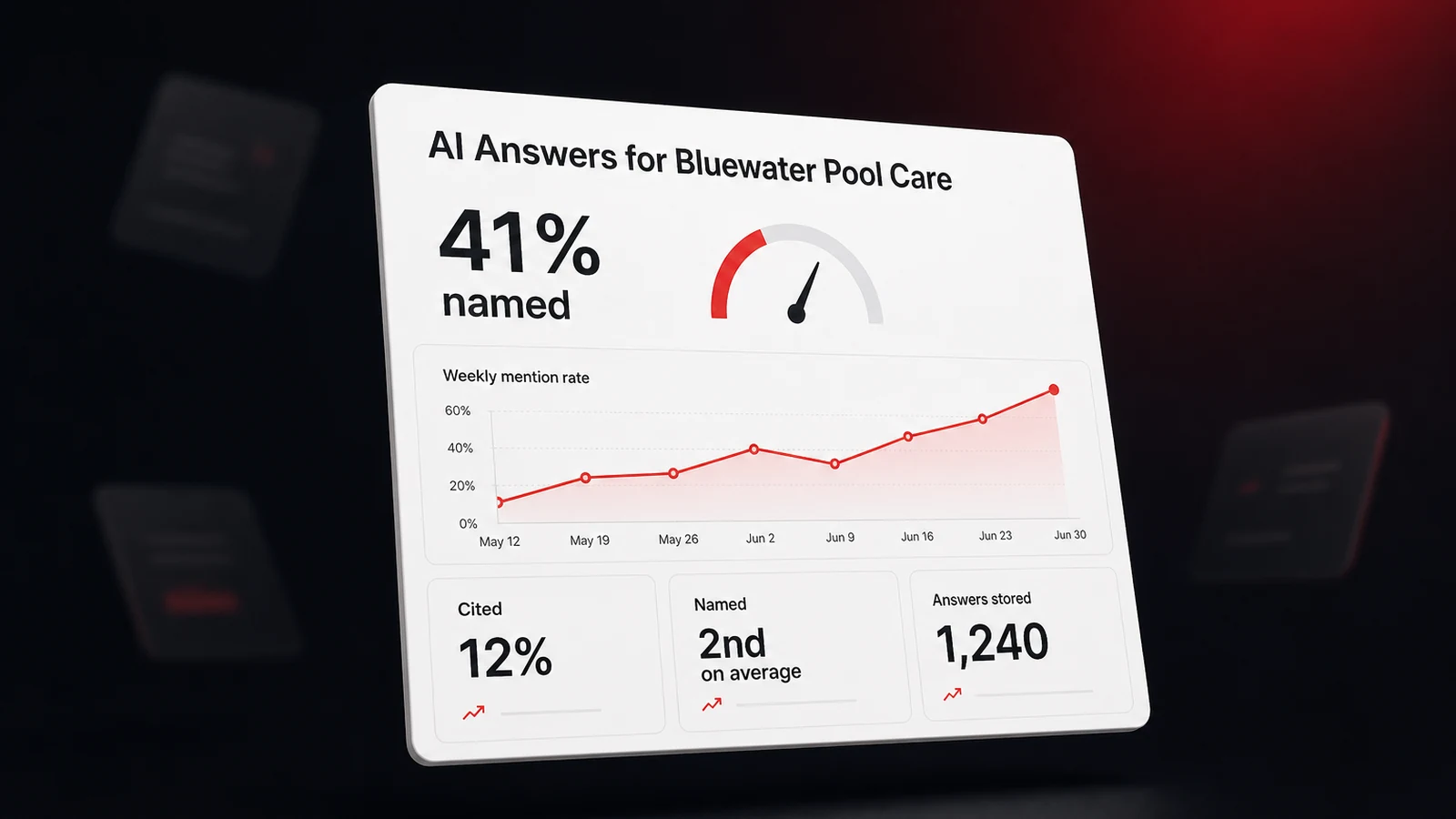
How to Track What ChatGPT Says About Your Business
You can't see why an AI assistant picks one business over another. You can see every answer it gives. Here's how our tracker asks, stores, and reads what ChatGPT, Gemini, Claude, Perplexity, and Google AI say about you.

How AI Answer Engines Source Content vs. Traditional Search
Google ranks a page and sends a click. An AI answer engine fans out a dozen searches, reads passages, and cites a handful of sources, often without a link. Here's how each machine picks what it uses, with 2026 data.
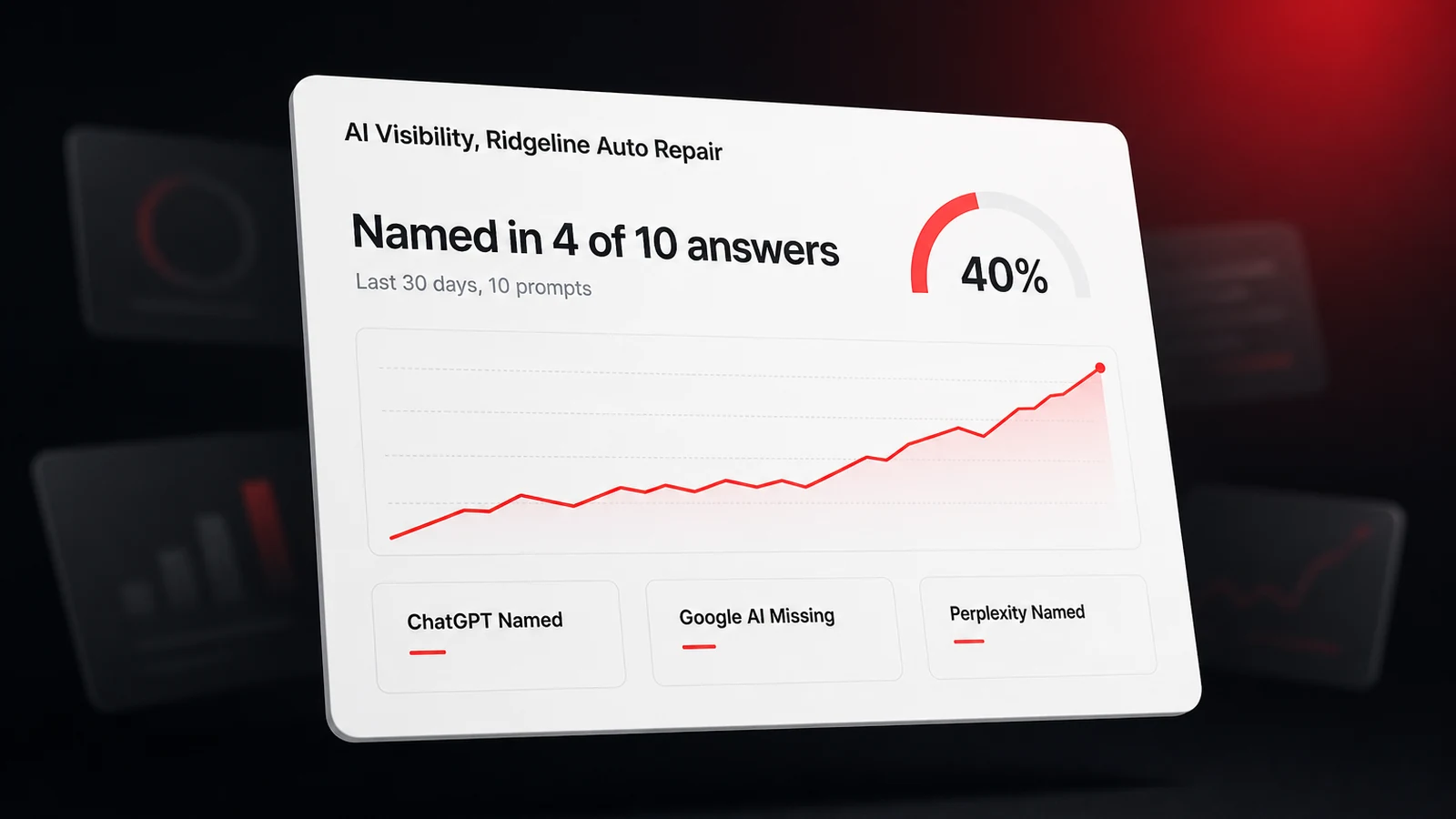
10 AI Visibility Tools for Local Businesses in 2026
Ten AI visibility tools for local businesses, scored on five things a one-location business cares about. Free snapshots, trackers under $50, the band where coverage fills out, and the prompts to load on day one.
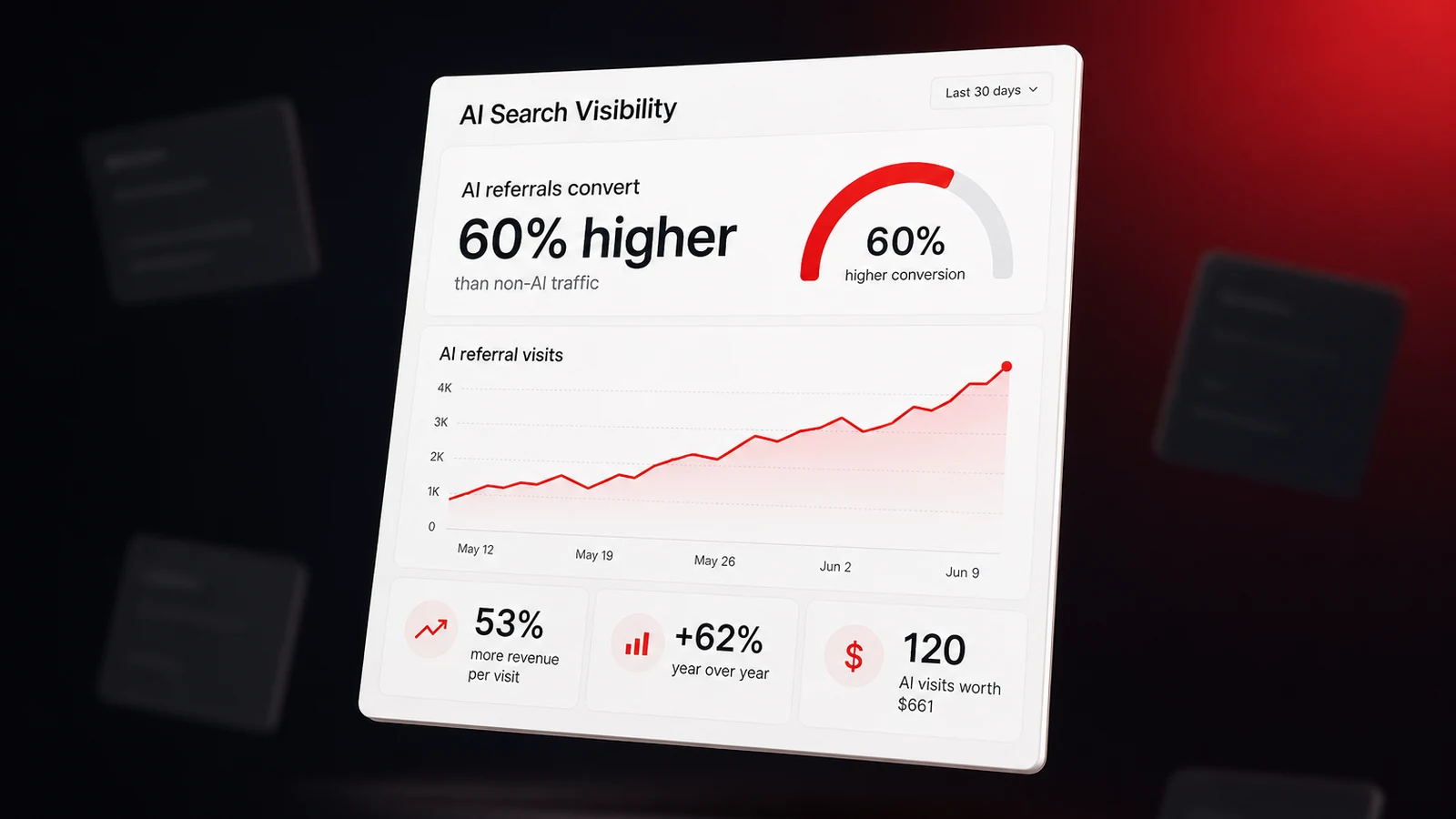
How to Improve Brand Visibility in AI Search
AI answers already send buyers who convert better and spend more. Here's the 2026 research on how the assistants pick what to cite, a worked revenue calculation you can copy, and the order to fix things in.
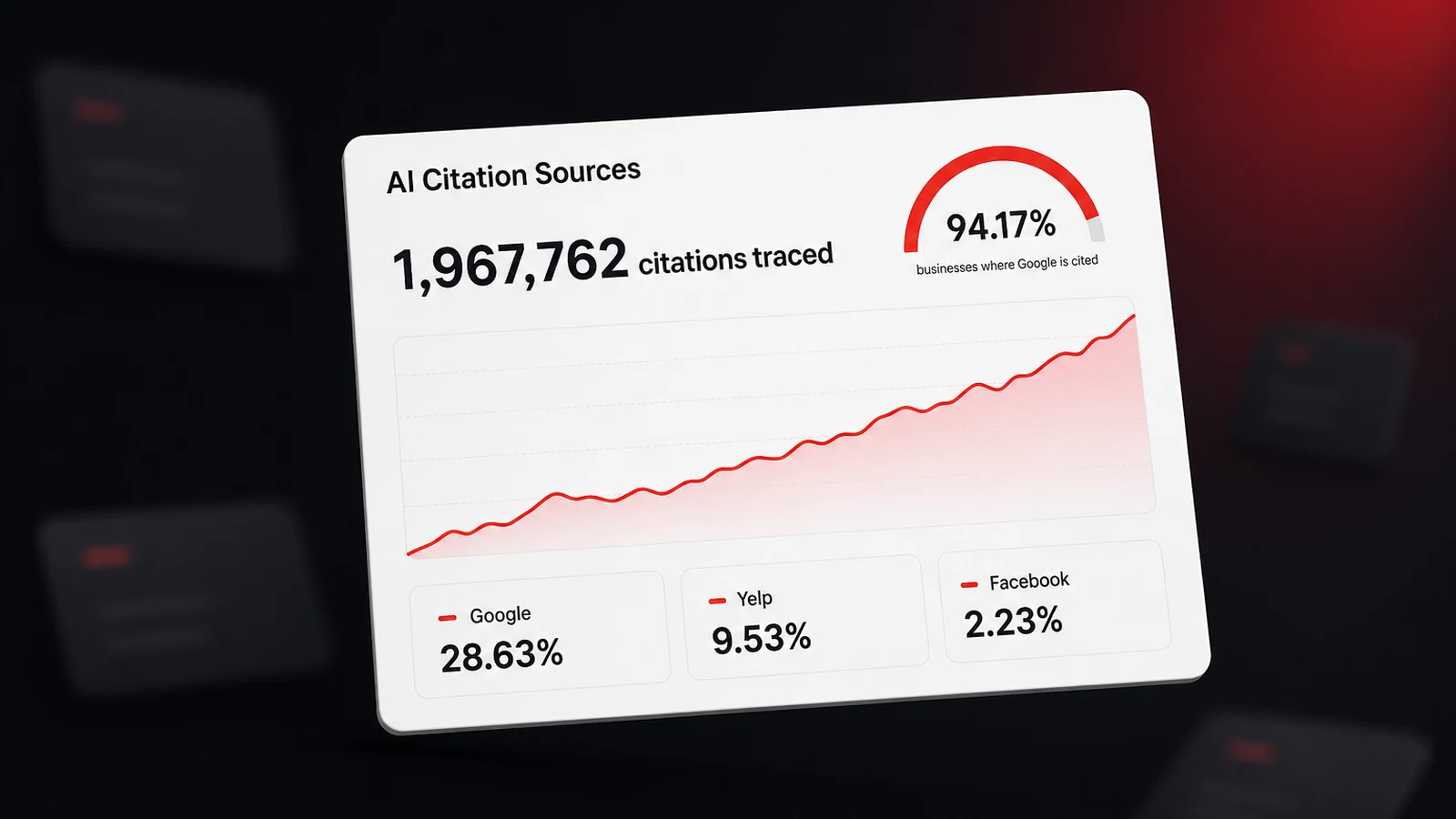
Where AI Gets Its Data About Your Local Business
Nearly 2 million logged citations show exactly where AI assistants pull local business facts from. The list is shorter than you'd guess, and you can claim every spot on it.
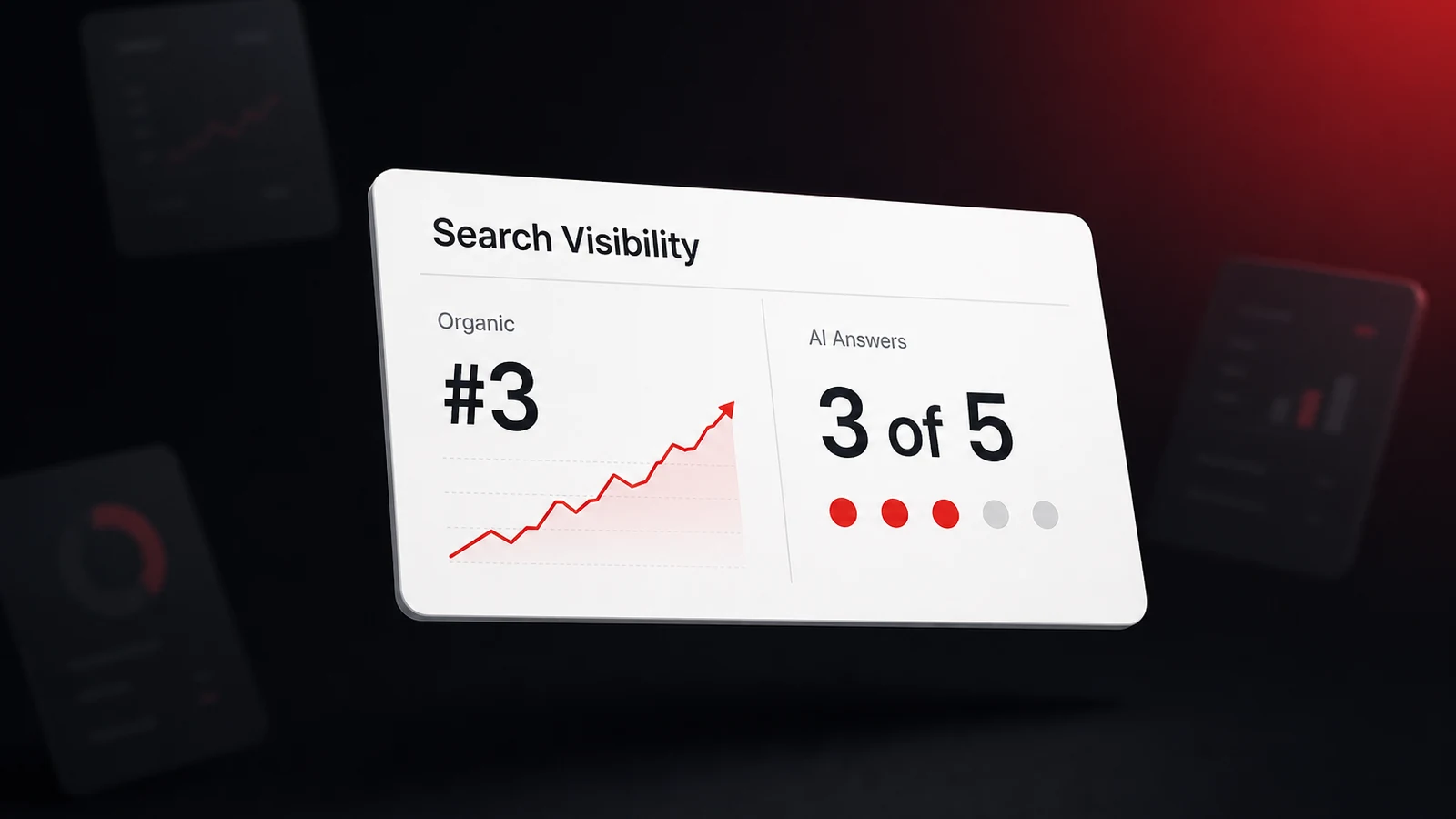
SEO vs. AEO and Why You Need Both
Ranking on Google and getting recommended by AI are two different games. Here's the difference between SEO and AEO, why you can win one and lose the other, and how to cover both.
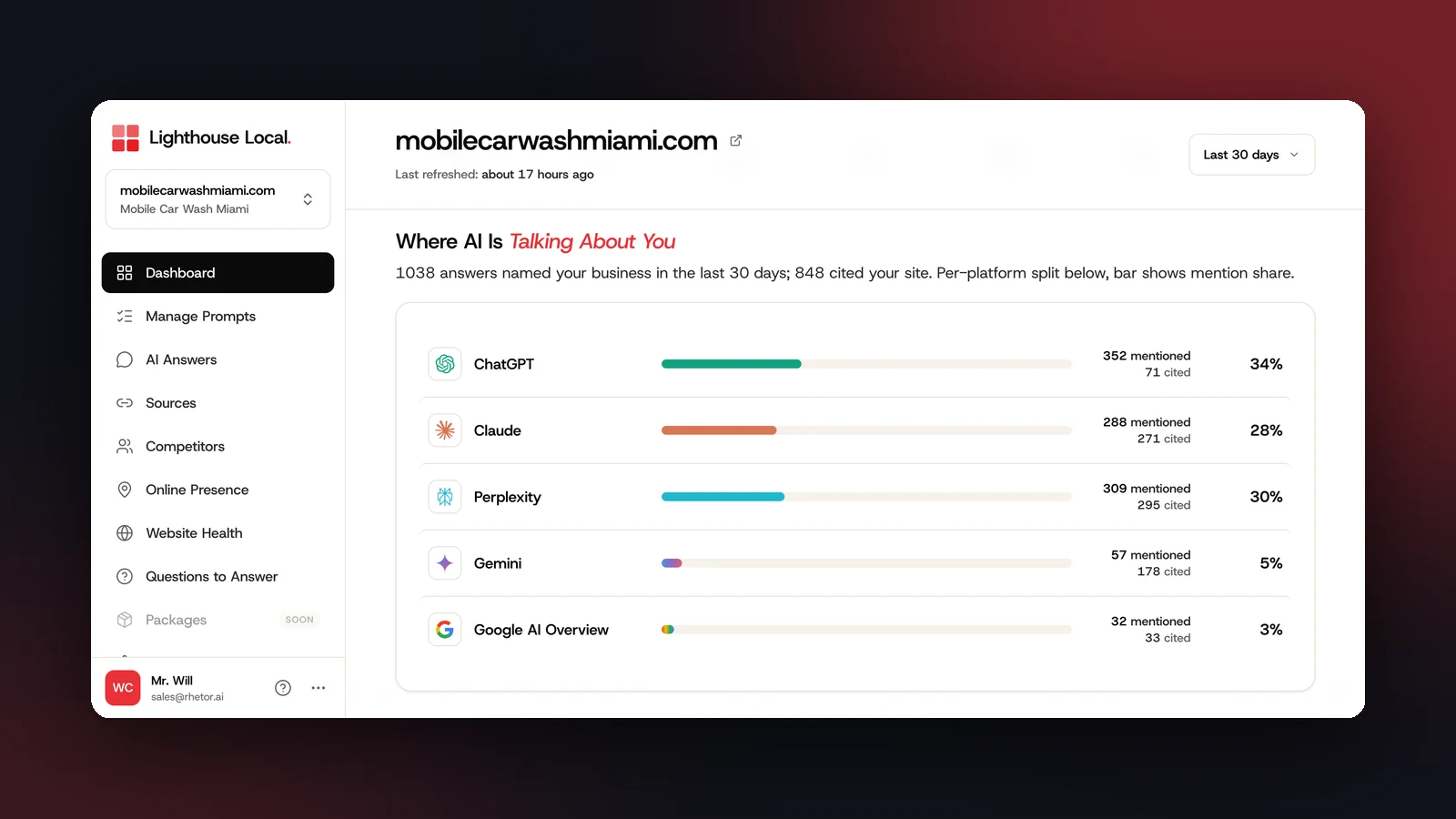
How to Get Your Business Recommended by AI
When a customer asks AI for a business like yours, only a few names come up. Here's how AI decides who to recommend, how to check where you stand, and what to fix to get named more often.
See where AI recommends you, and where it doesn't
Lighthouse Local tracks all five platforms, shows who's getting named instead of you, and turns every gap into a plain-English fix.