
CI Now Runs on Blacksmith
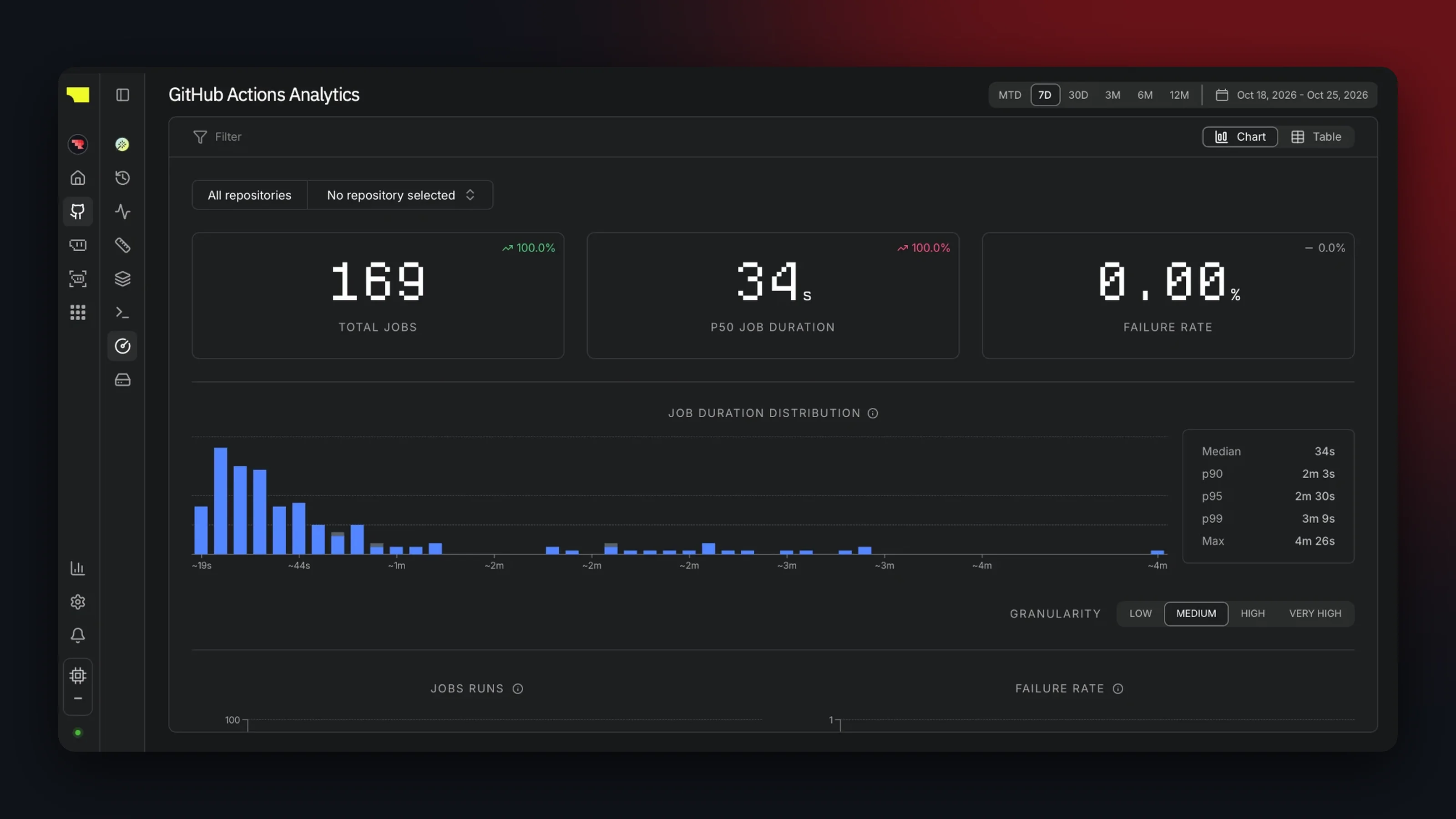
Our GitHub Actions jobs now run on Blacksmith runners, same 2 vCPU size. Jobs finish a quarter to a third faster, and most of that comes from Blacksmith's cache.
Do Directory Listings Affect AI Visibility? What 2026 Research Shows
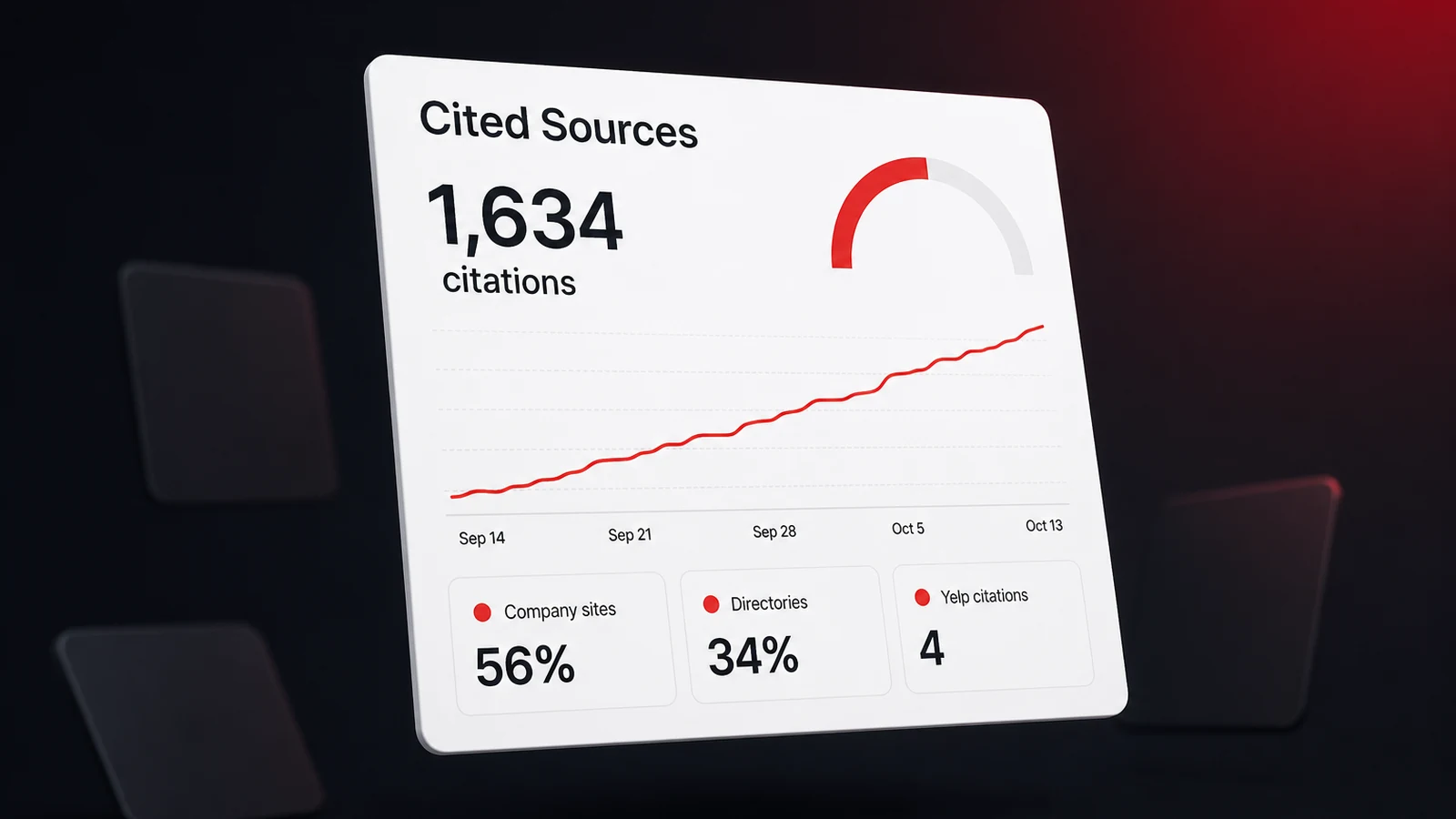
We sorted the 1,634 citations behind one plumber's AI answers and read every 2025 and 2026 study on listings. A few directories matter per assistant, the long tail doesn't, and a complete listing still isn't a recommendation.
Why Does ChatGPT Have Outdated Information About Your Business?
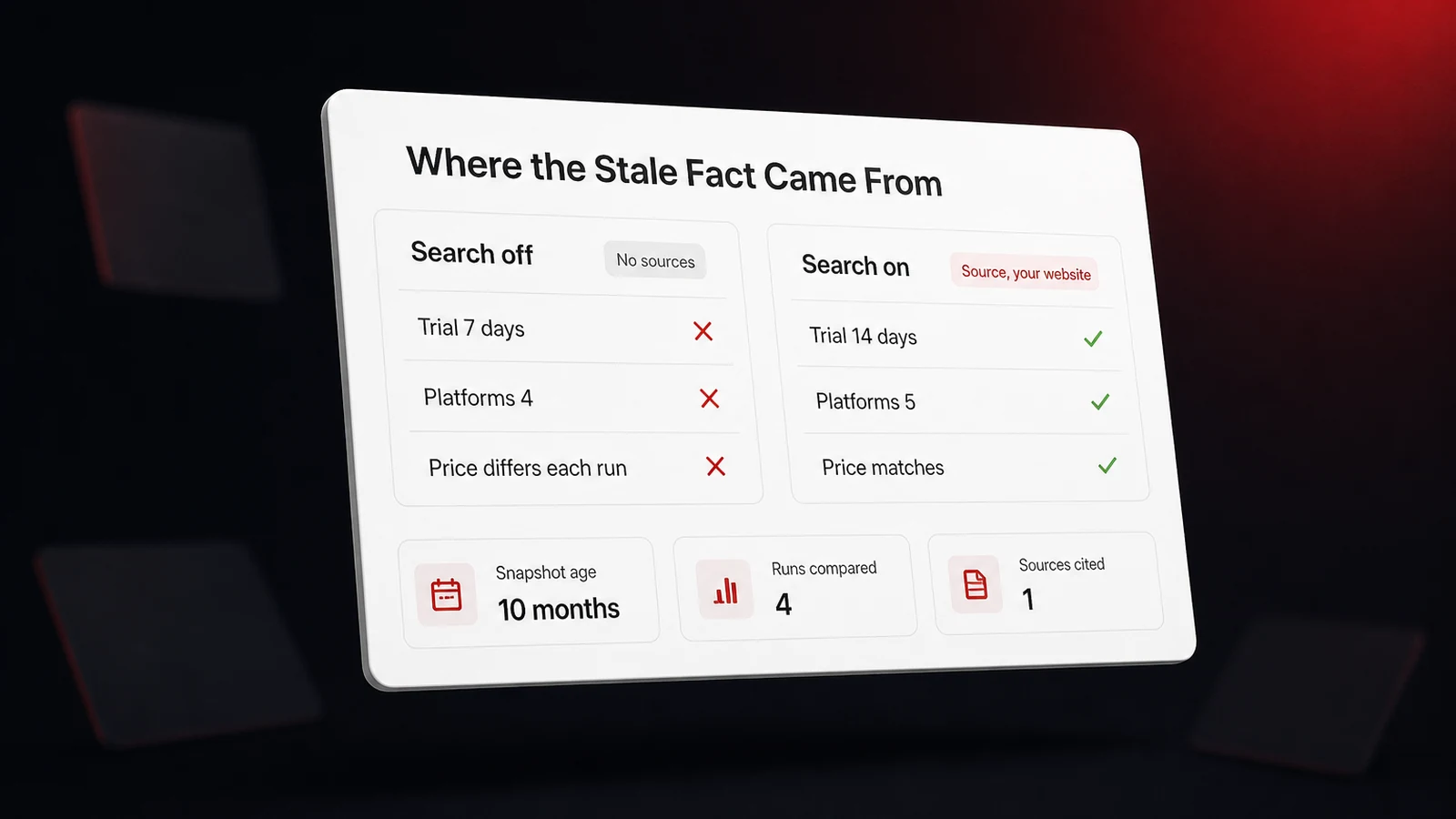
ChatGPT can quote hours you changed last spring or a price you never charged, and each kind of stale fact has a different source behind it. We tested our own business with search off and on, then traced the four places an old fact hides and what corrects each one.
Google AI Overviews vs. AI Mode, Explained for Local Businesses
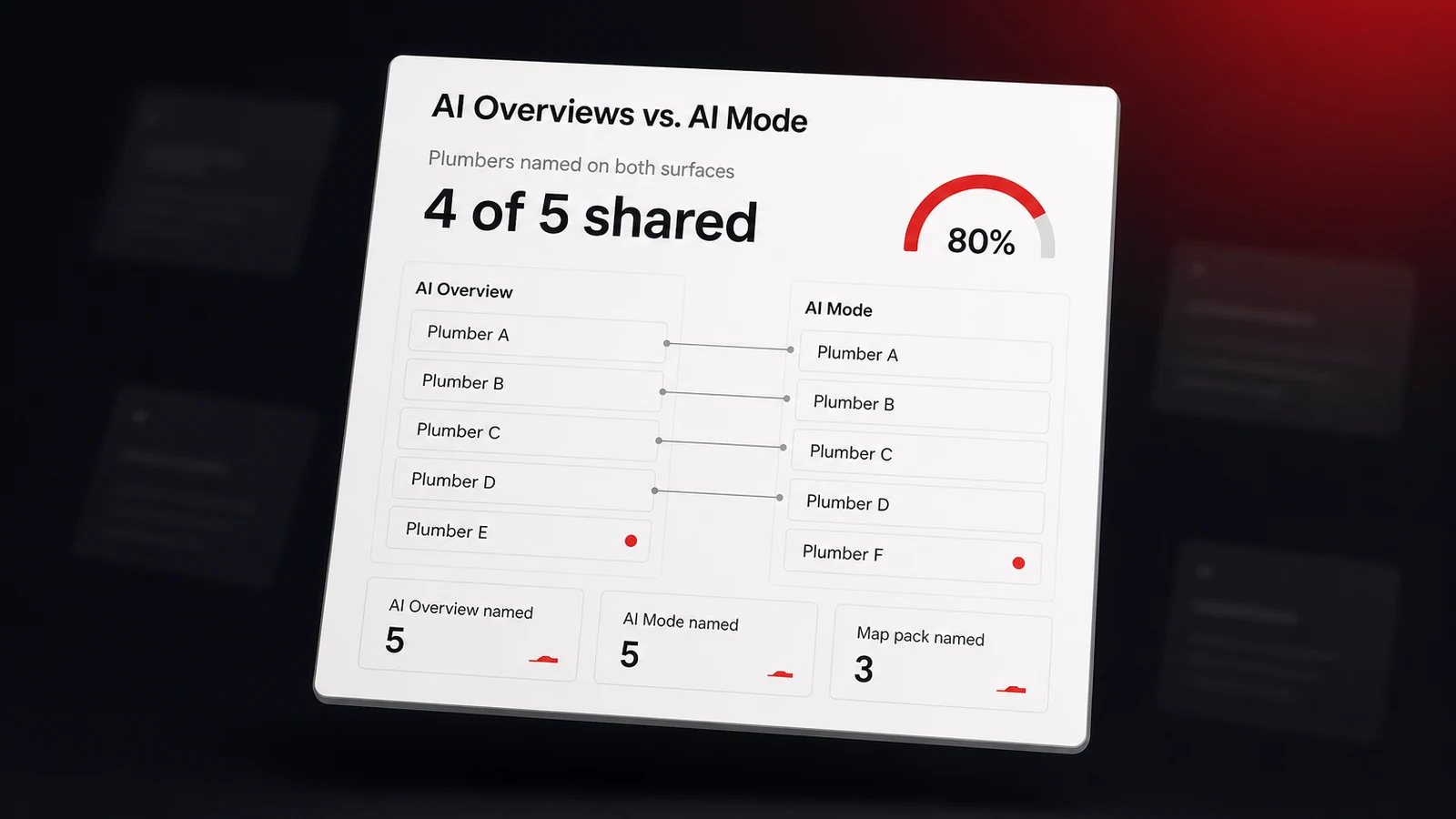
One sits on top of the results, the other replaces them. We ran the same Boise plumber search both ways, then pulled the 2025 and 2026 research on how often each appears, what each cites, and where the click goes.
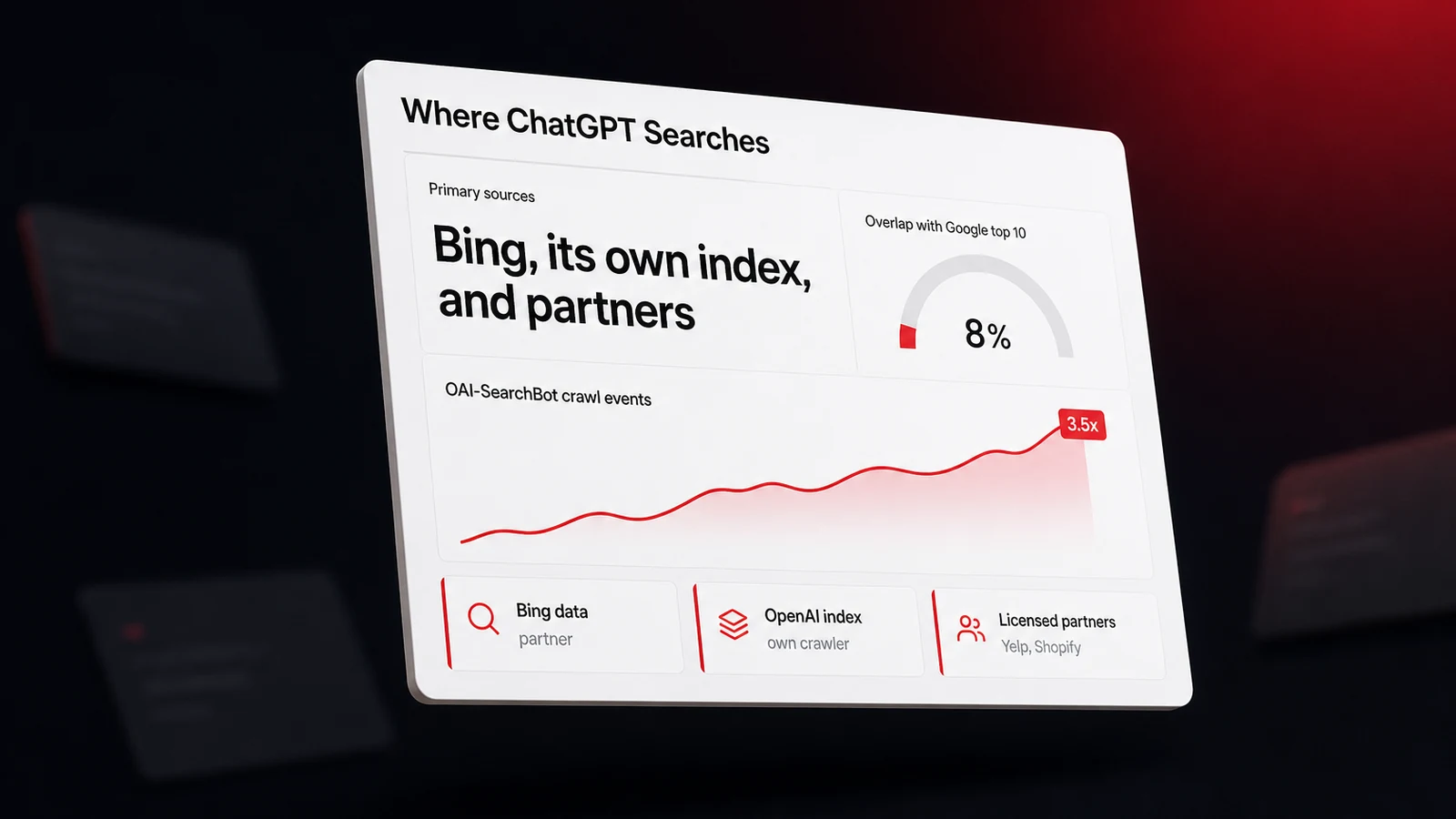
Does ChatGPT Use Google or Bing? What It Means for Local Businesses
ChatGPT doesn't run on Google. It searches Bing's data, an index OpenAI built with its own crawler, and licensed sources like Yelp, and the mix keeps shifting. A dated timeline, the overlap numbers, and what that changes for a local business.
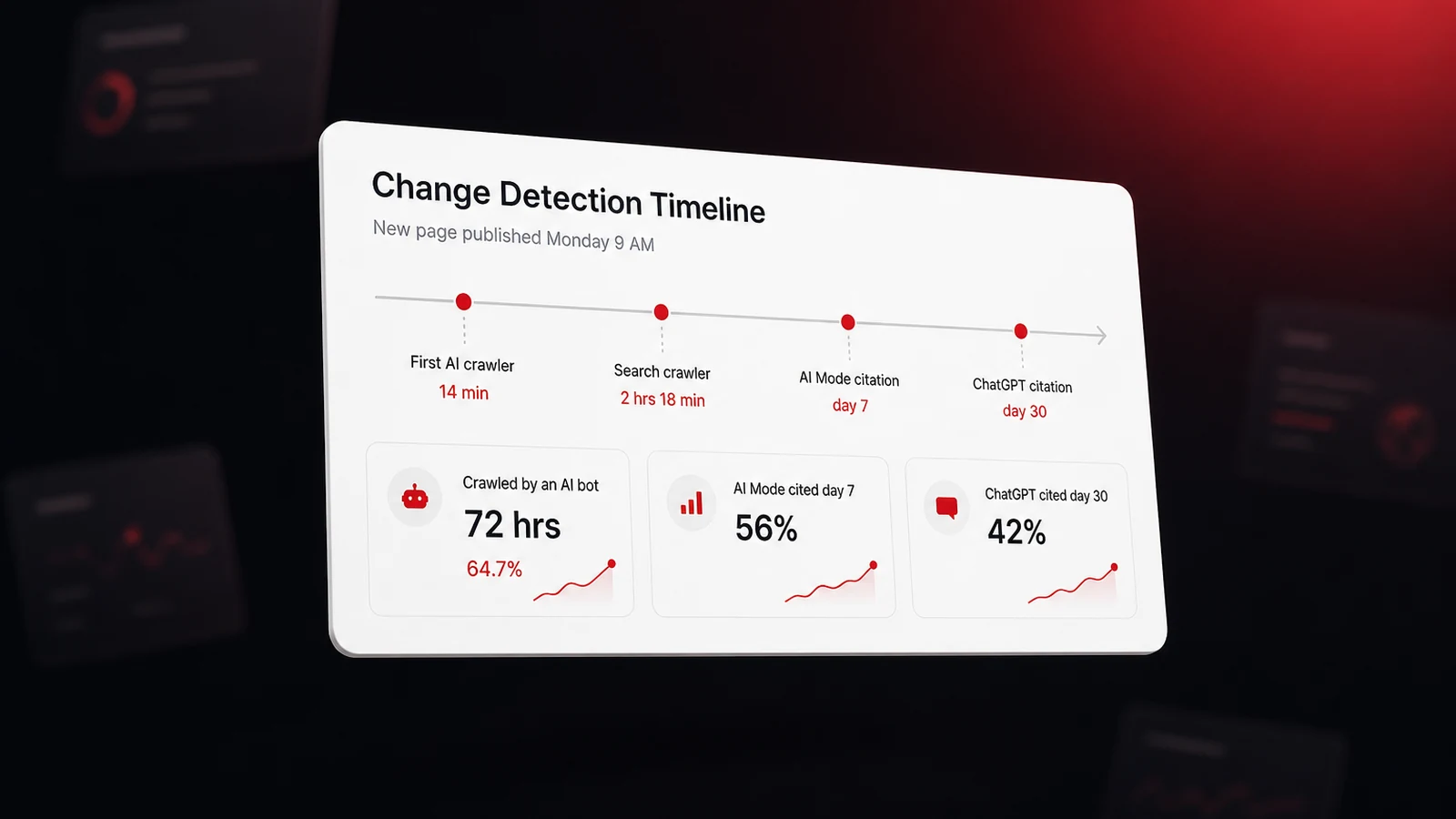
How Long Does It Take AI to Notice Website Changes in 2026?
The first AI crawler can reach a new page within minutes, and a month later ChatGPT may still not cite it. Here are the measured 2026 lags for each assistant, why they differ, and what shortens them.
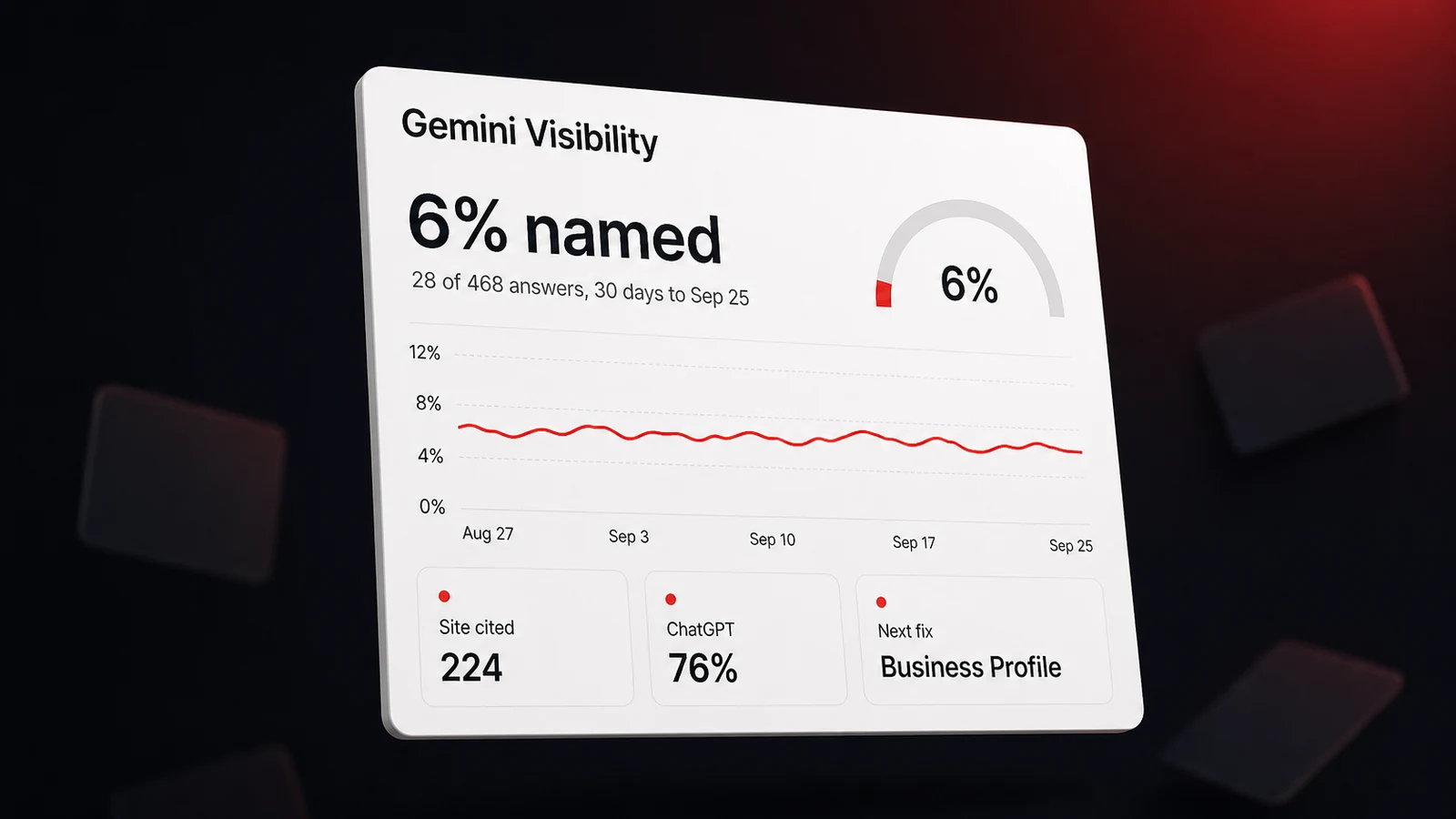
How to Get Your Business Recommended by Gemini
Gemini draws local answers from Google's own map records, so the profile you may not have opened in a year has a lot to say about whether it names you. What it reads, six fixes in order, and a weekly test.
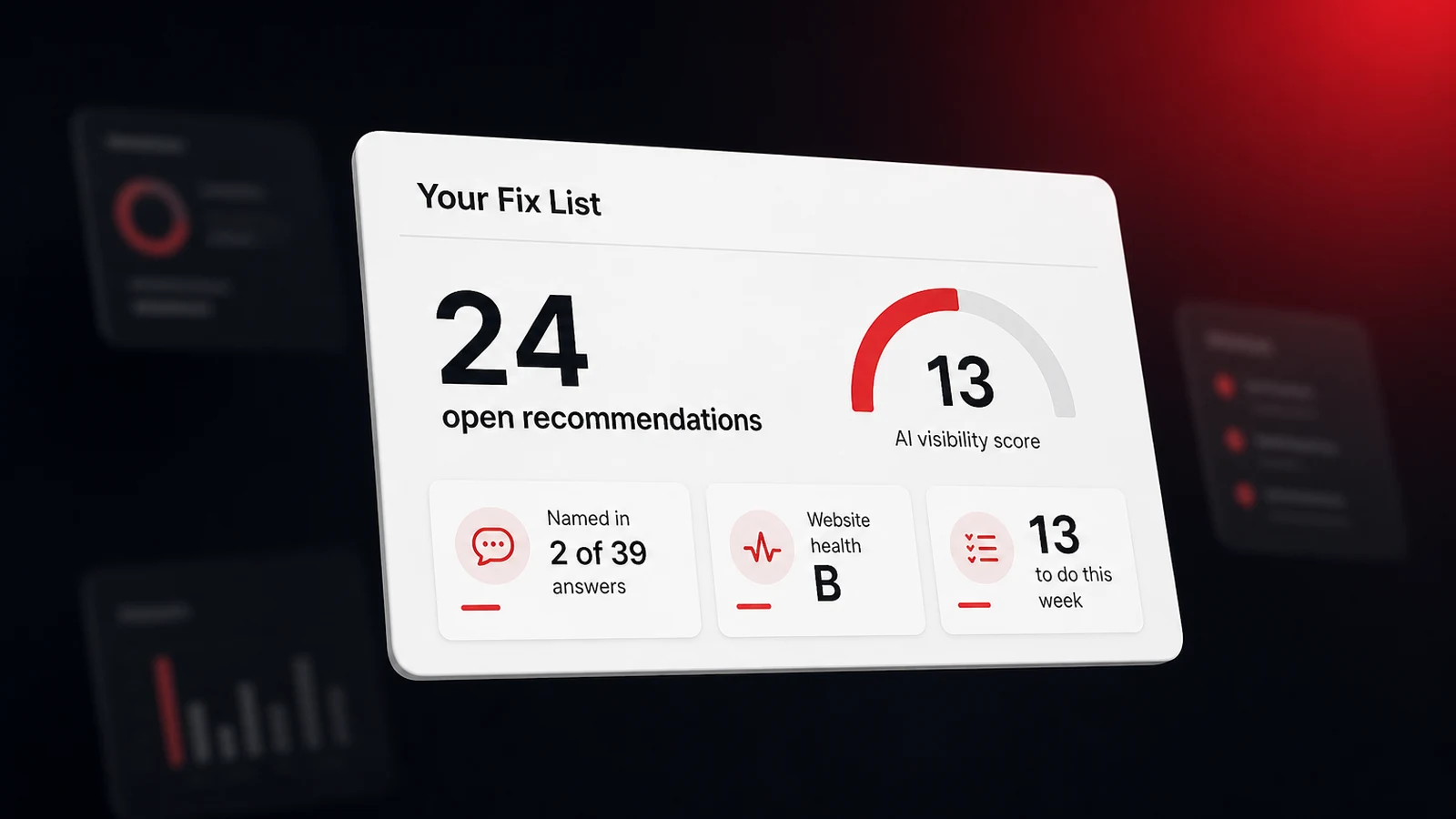
How to Use ChatGPT to Find What to Fix for AI Visibility
A heating and air company with thousands of Google reviews was named in 2 of 39 AI answers last month. Here's how four plain questions to an AI assistant turned its tracking data into 24 sorted fixes, and how to ask them in ChatGPT.
Why AI Knows You but Doesn't Recommend You
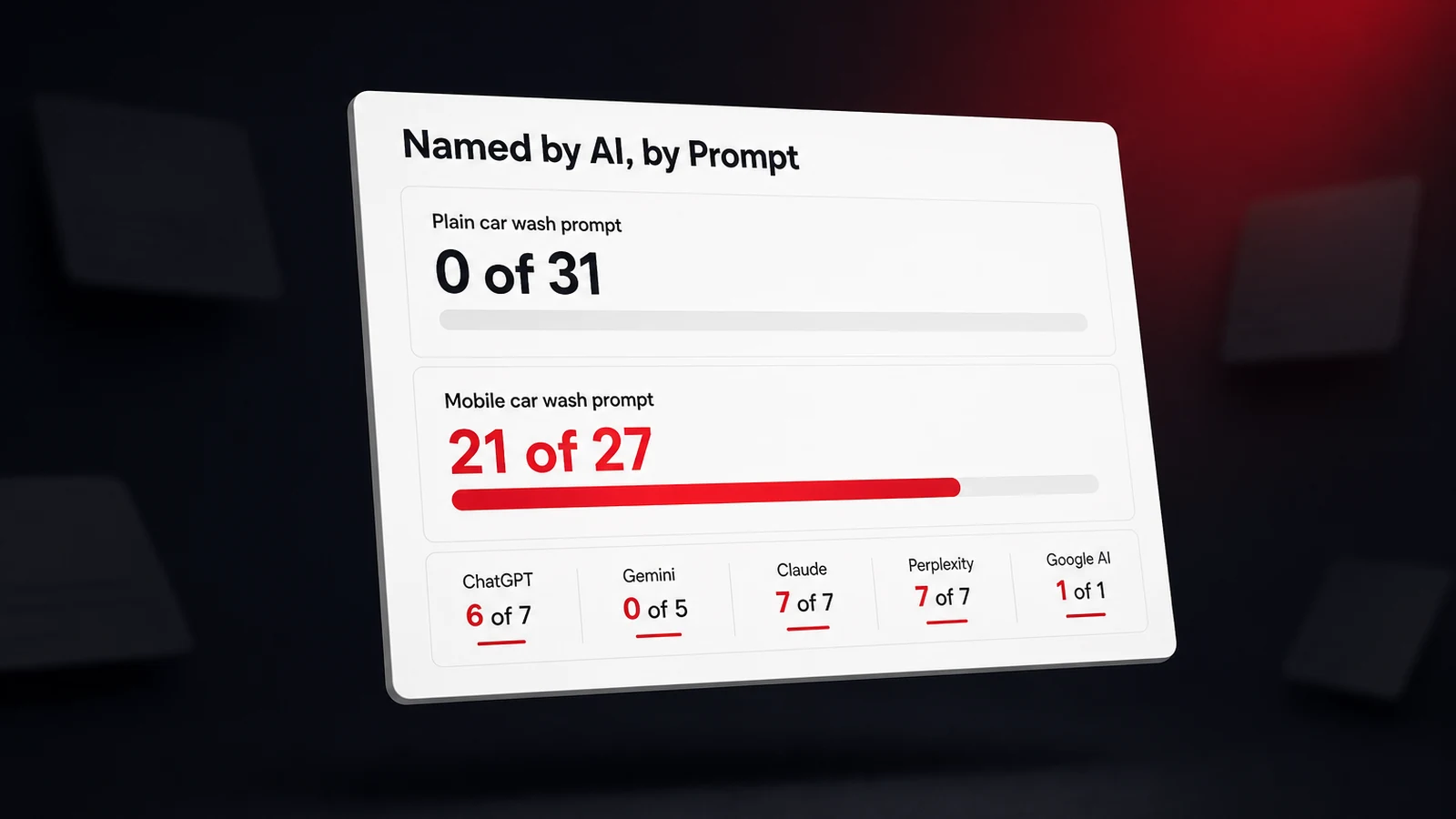
In a 2026 study, six AI models never once suggested L.L.Bean to someone asking for a hiking jacket, then named it in nearly nine answers out of ten when researchers rewrote the prompt in the brand's own marketing language. Being known and being recommended are different things, and a three-prompt test shows which one you're missing.
Why AI Names Your Competitor and Not You
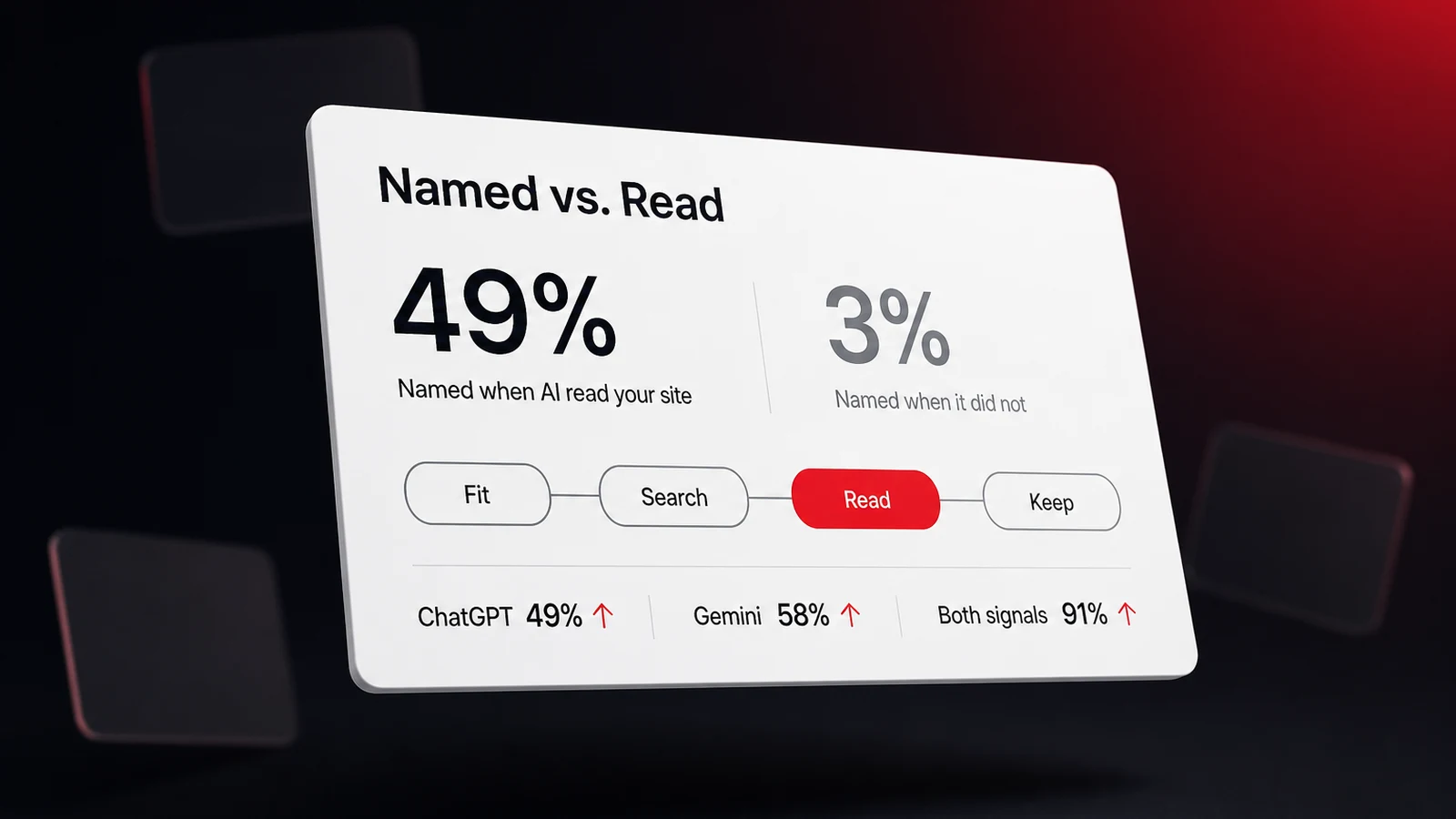
When an assistant answers a customer without reading a page of yours, it names you about three times in a hundred. When it reads one, about half the time. A 2026 study of 35,000 answers found four gates between the question and your name, and here's how to tell which one you're failing.
What Shipped in Lighthouse Local in September 2026
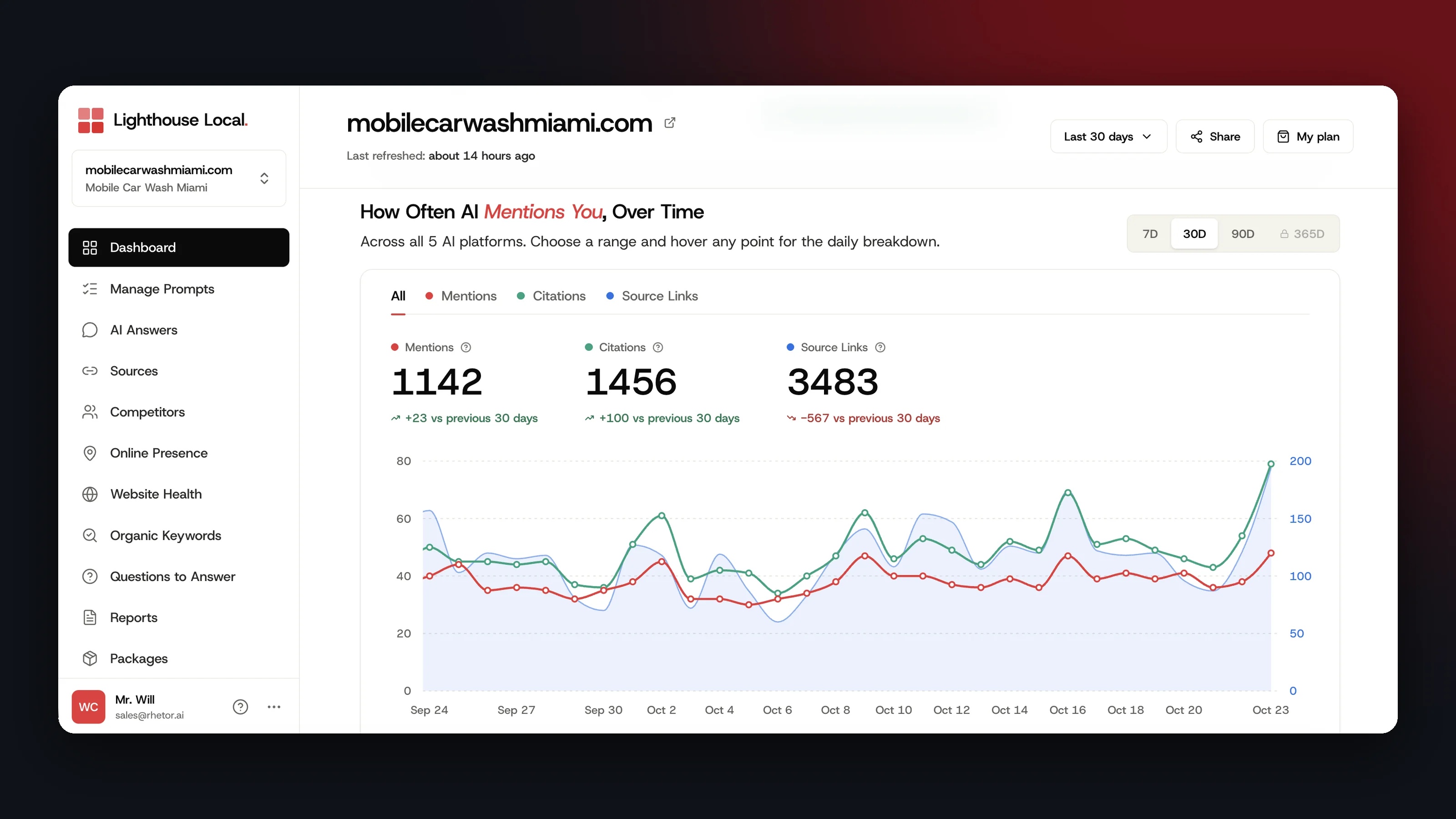
Everything that shipped in September. Your AI assistant can now work from your dashboard, AI Answers shows mentions and citations separately, totals count only the days we checked, and a few things for white-label partners.
Is AI Visibility Software a Must-Have in 2026, or Can You Wait a Year?
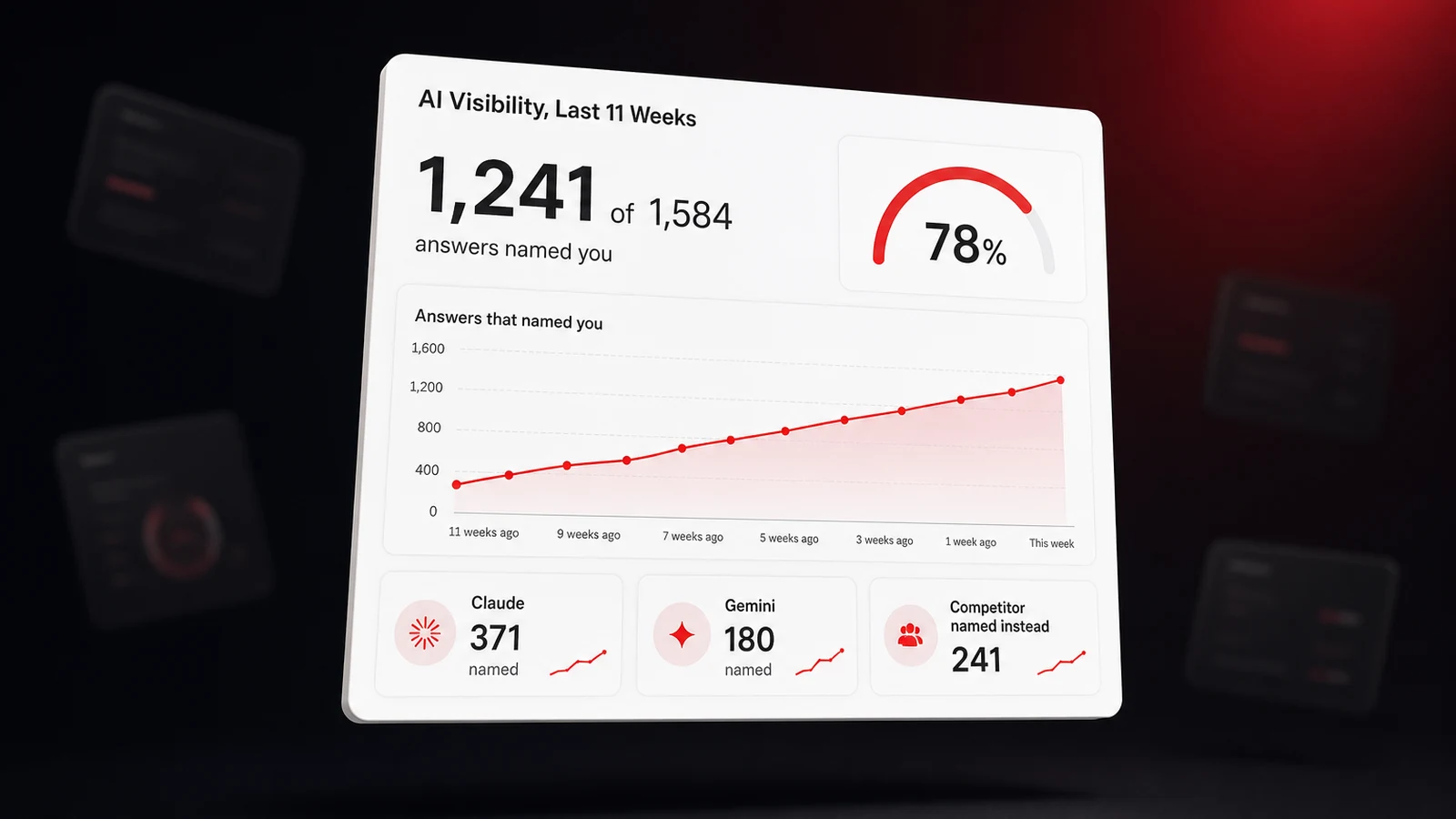
Must-have or defer? A decision framework for AI visibility software in 2026, with two real tracker histories, five questions that settle it, and how to wait without losing the year.
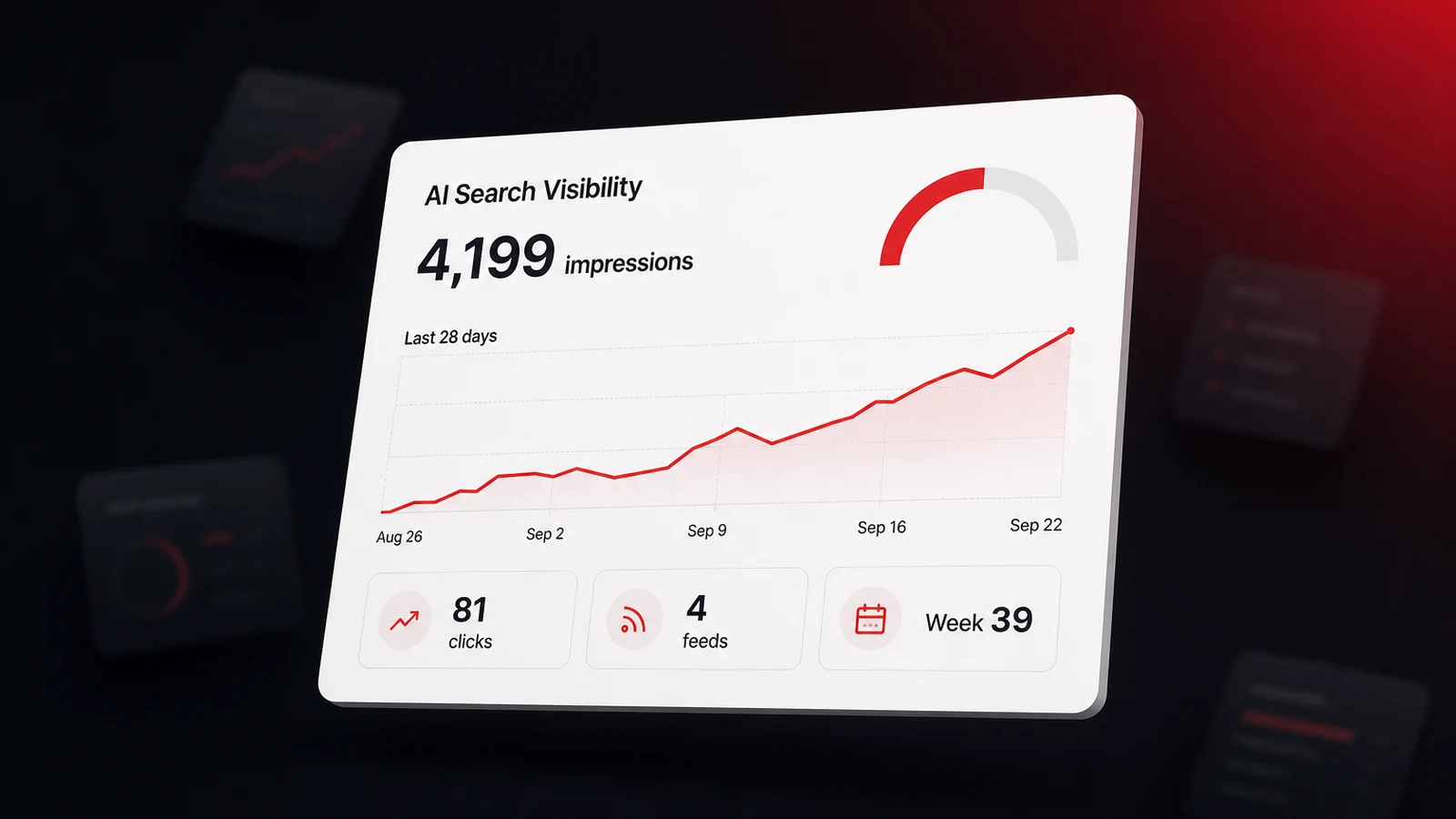
How to Set Up an AI Search Visibility Dashboard
An AI search visibility dashboard is four feeds on one page. Two connect live, two you log each Monday. Here's the build, with our own site's Search Console numbers as the worked example, and these five questions to ask it every week.
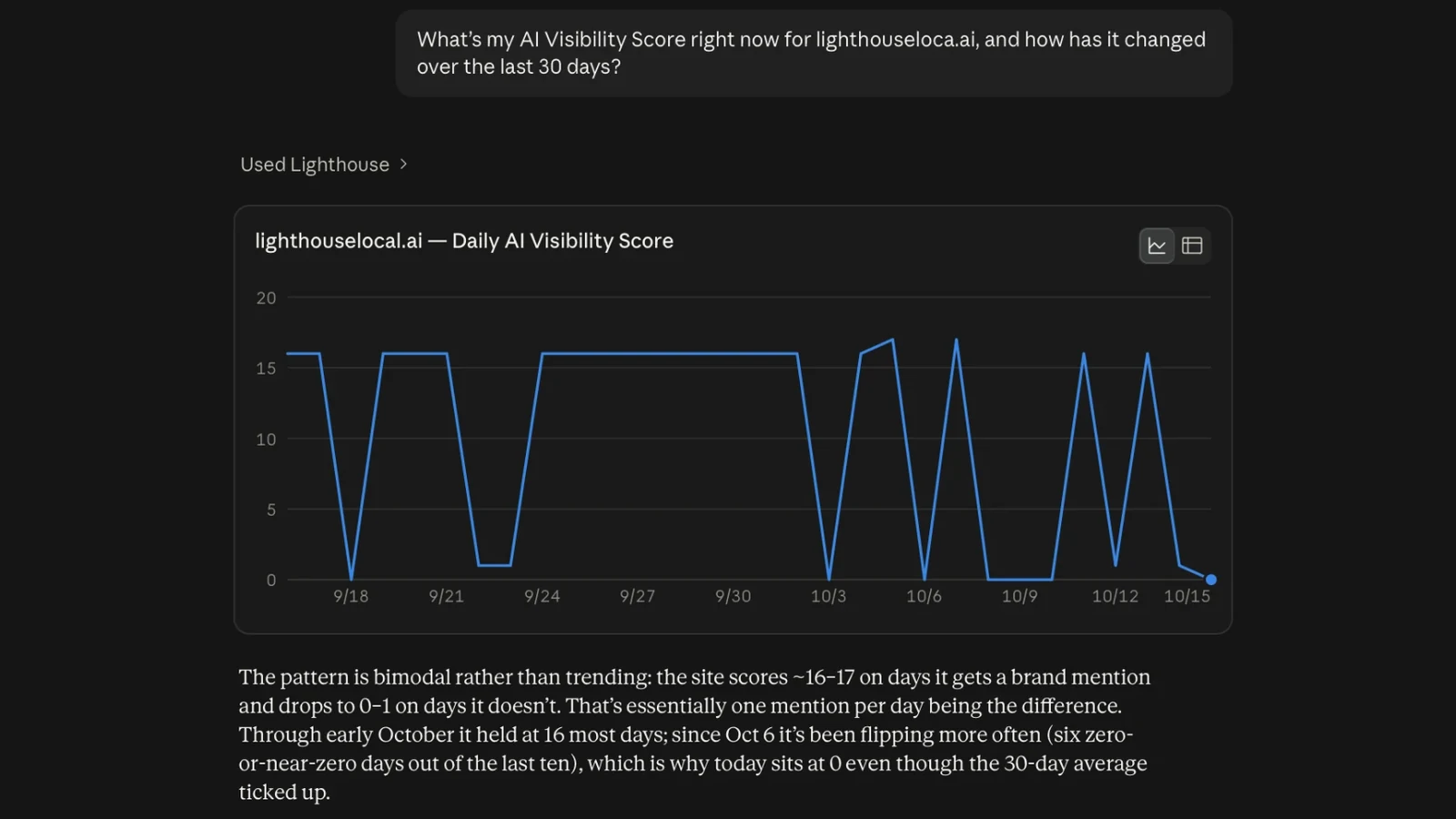
Lighthouse Local Now Has an MCP Server
Connect Lighthouse Local to the assistant you already use and ask what AI says about your business, which questions skip you, and what to fix first. Read-only, your normal login, about five minutes to set up.
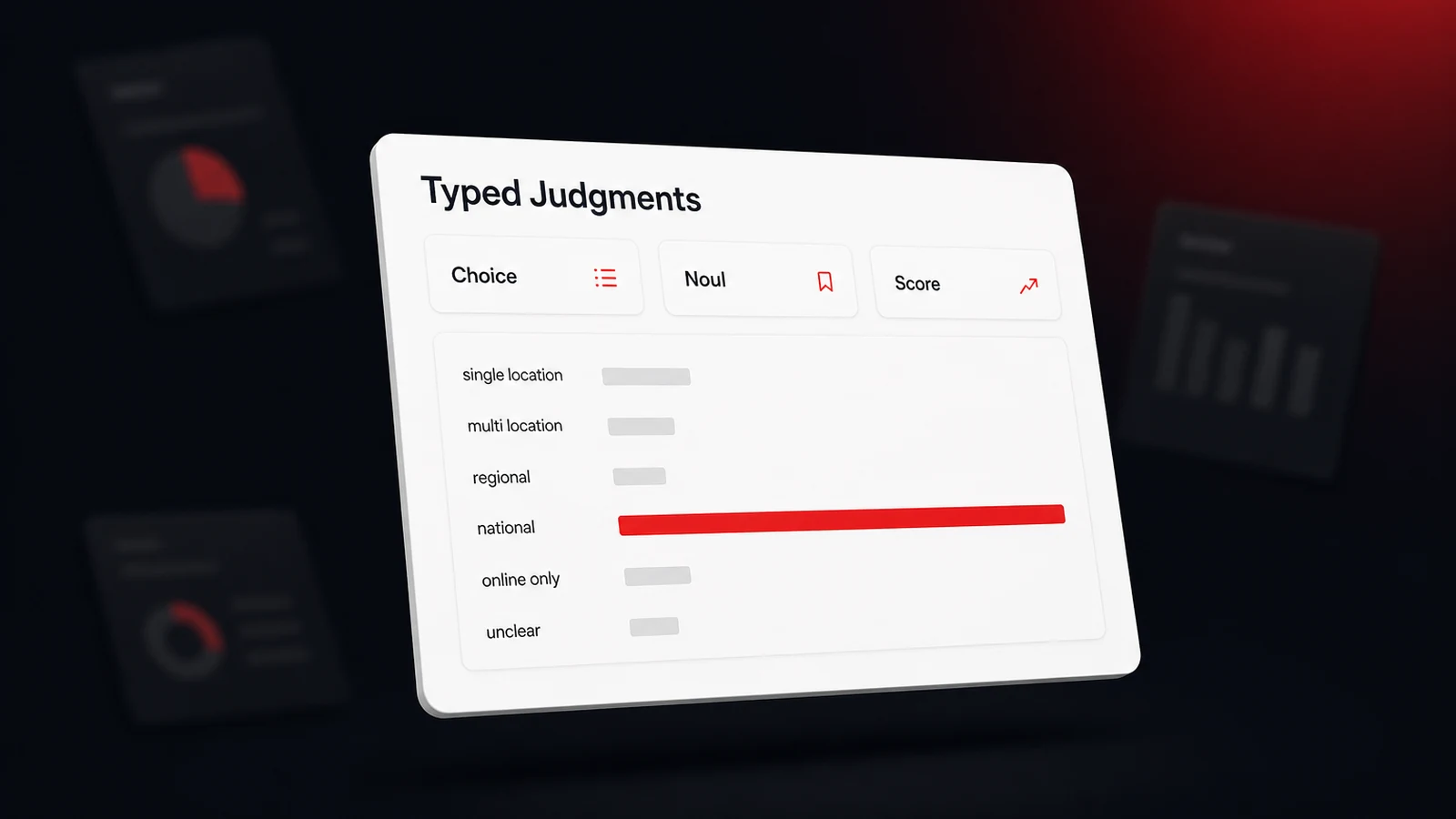
How to Use TypeSafe's Jev Model
A URL slug convinced our audit that a national software firm was a neighborhood shop. We handed the question to Jev, TypeSafe's new judgment model, and wrote down everything we learned about questions, thresholds, fallbacks, and limits.
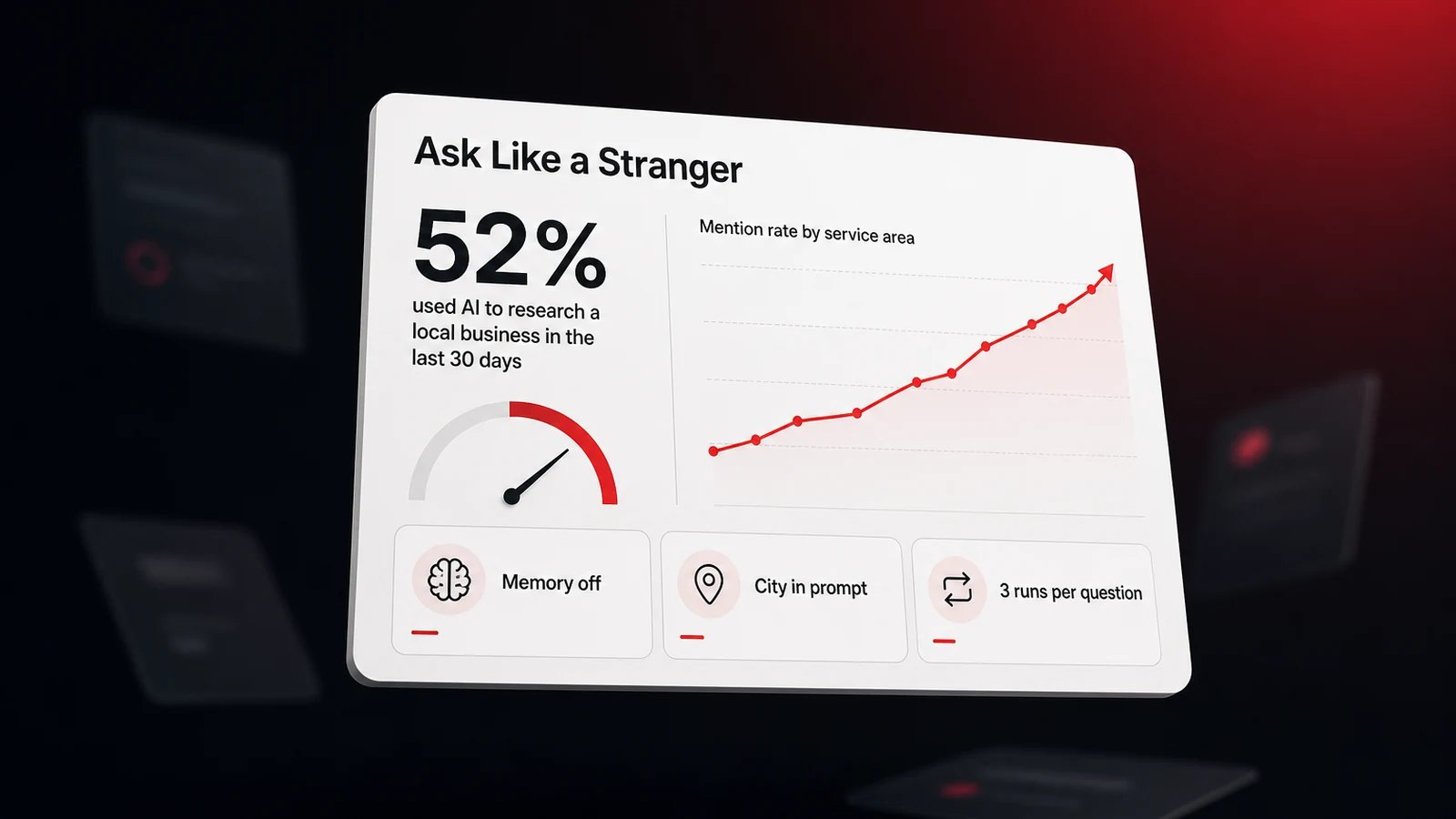
Why AI Recommendations Differ by User
You asked ChatGPT about your own business and it named you. Or it didn't. Either way, your screen is the one that looks least like a customer's, because memory, location, and plain randomness bend every answer. Here's how to ask like a stranger.
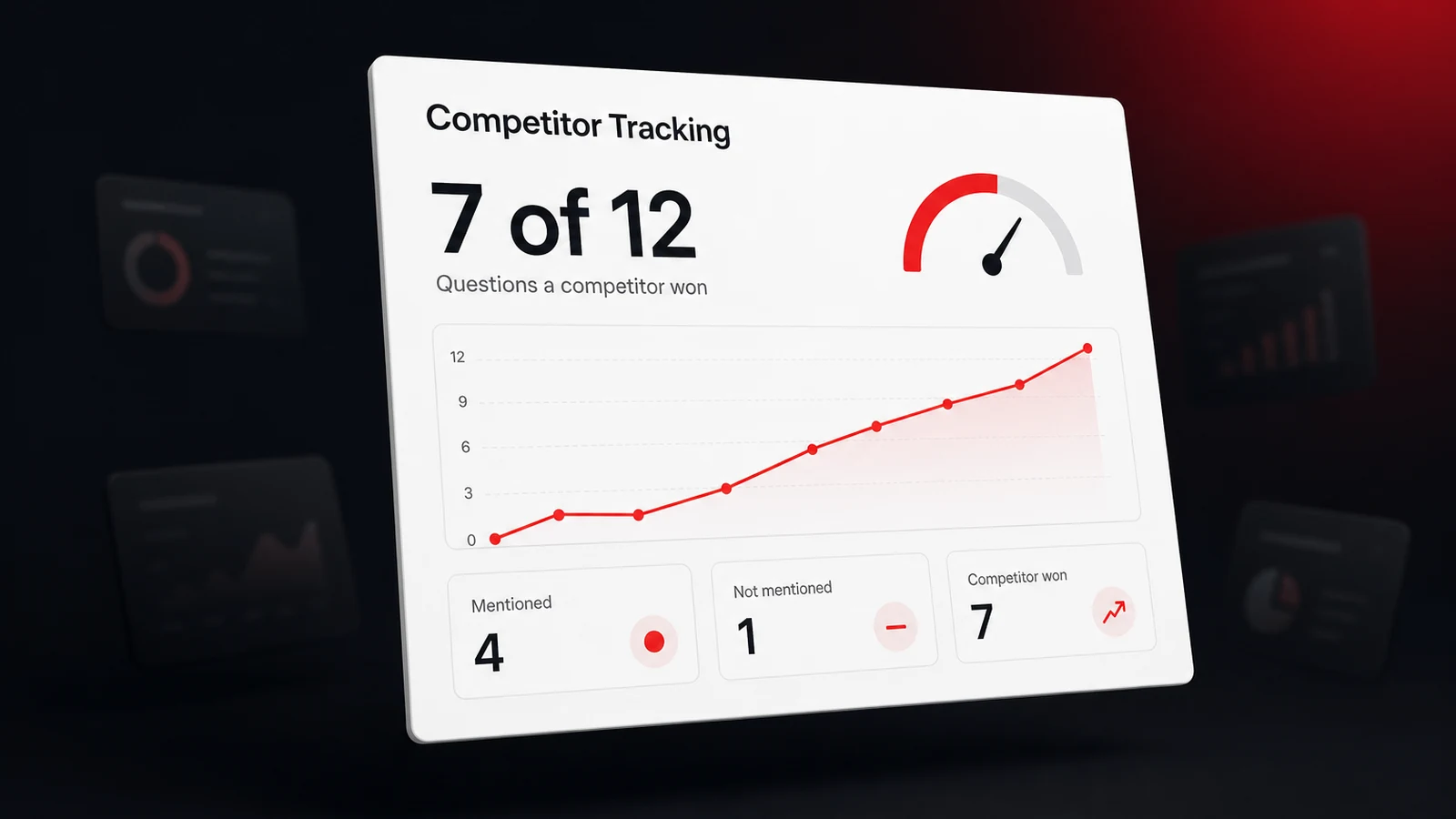
Why the AI SEO Checklist Stops Working
You added the stats, the expert quote, and the FAQ. So did the three businesses AI names ahead of you. A 2026 study tested what happens when everyone runs the same playbook, and the answer is to read the competition before you rewrite a word.
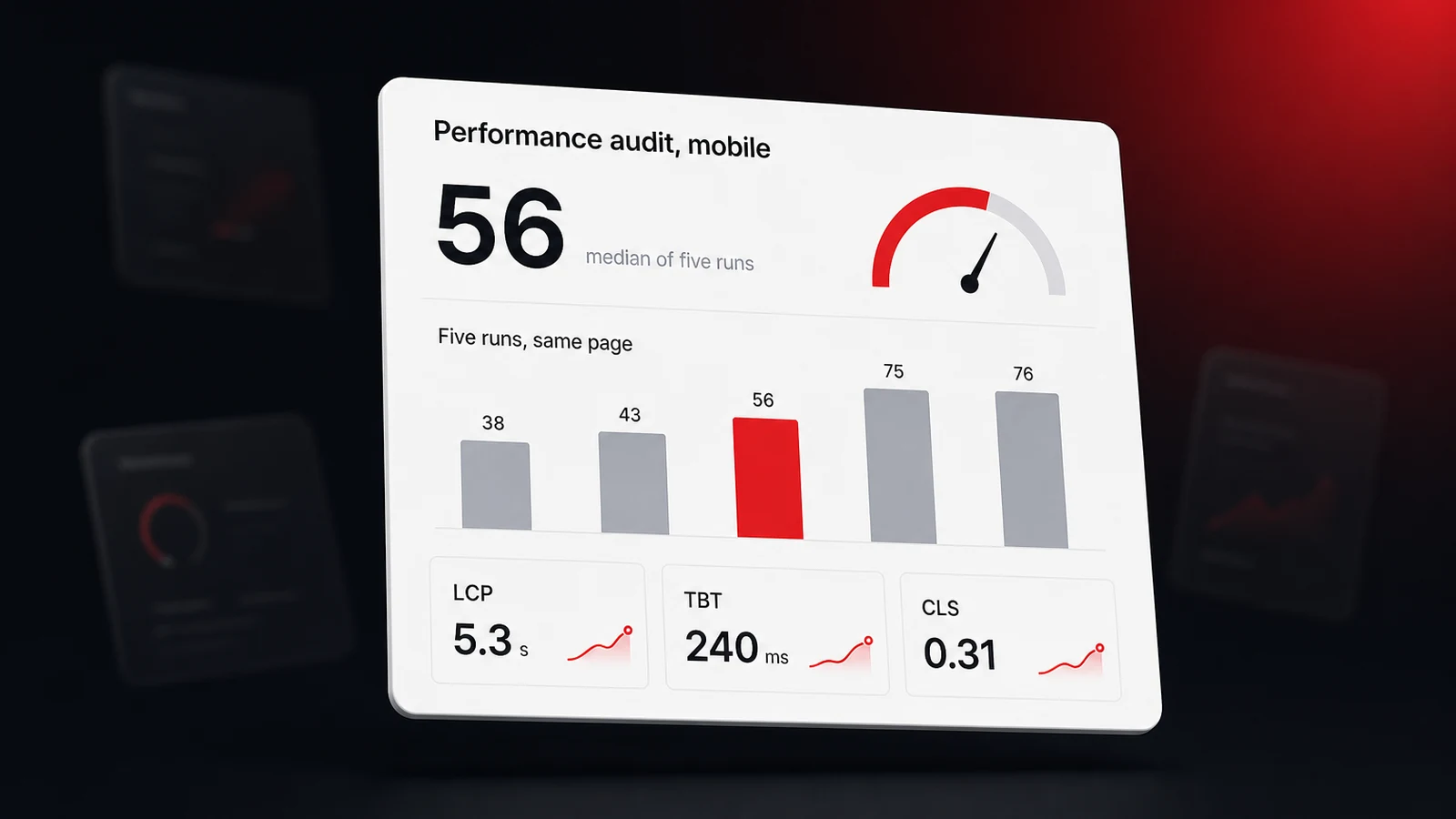
How to Improve Website Performance With AI
Your site is slow for its own reasons, and a generic list won't find them. Here's how to run Lighthouse in Chrome DevTools, read the report, and hand the real results to AI, round by round, until the score stops moving.
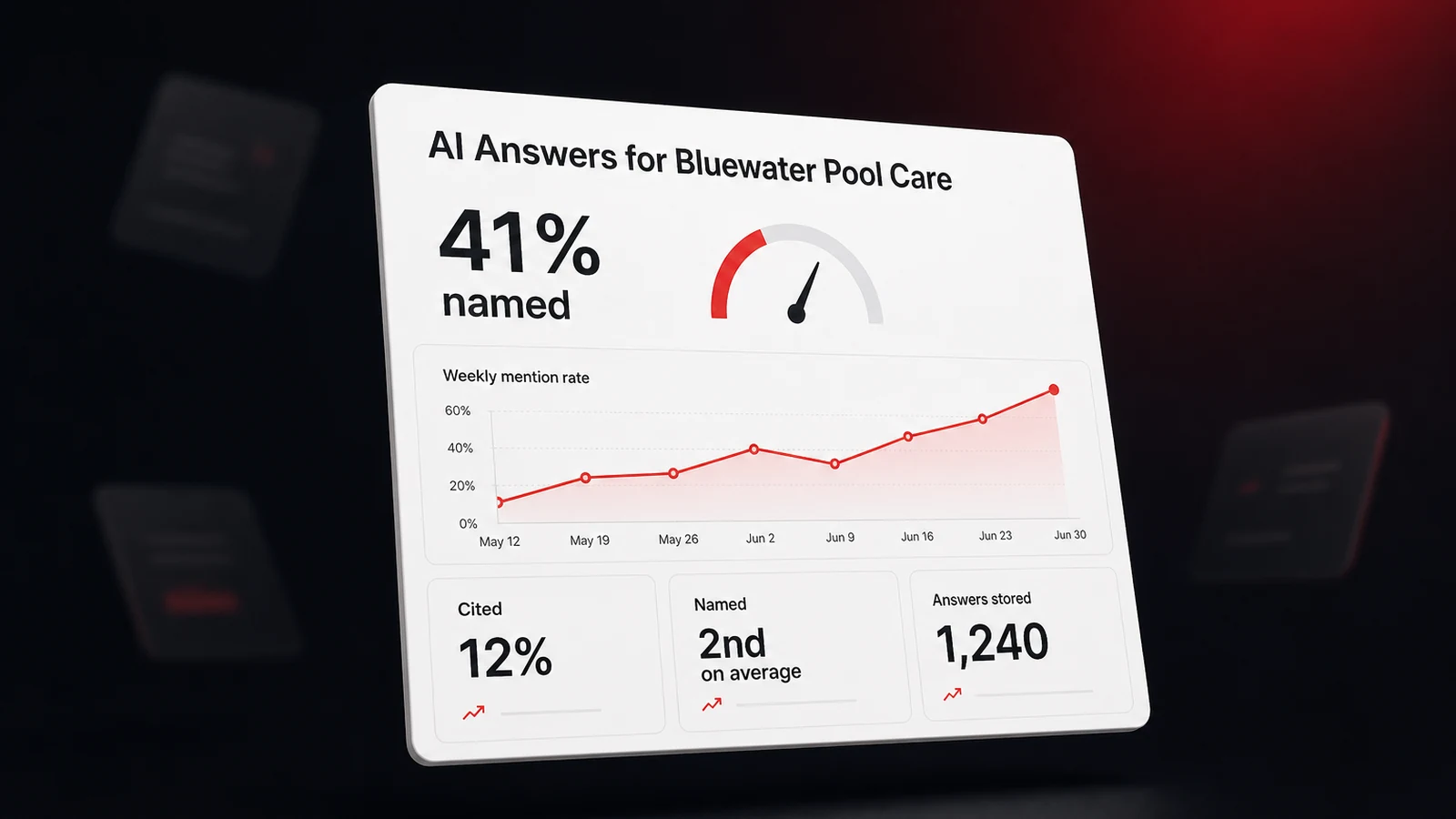
How to Track What ChatGPT Says About Your Business
You can't see why an AI assistant picks one business over another. You can see every answer it gives. Here's how our tracker asks, stores, and reads what ChatGPT, Gemini, Claude, Perplexity, and Google AI say about you.

How AI Answer Engines Source Content vs. Traditional Search
Google ranks a page and sends a click. An AI answer engine fans out a dozen searches, reads passages, and cites a handful of sources, often without a link. Here's how each machine picks what it uses, with 2026 data.
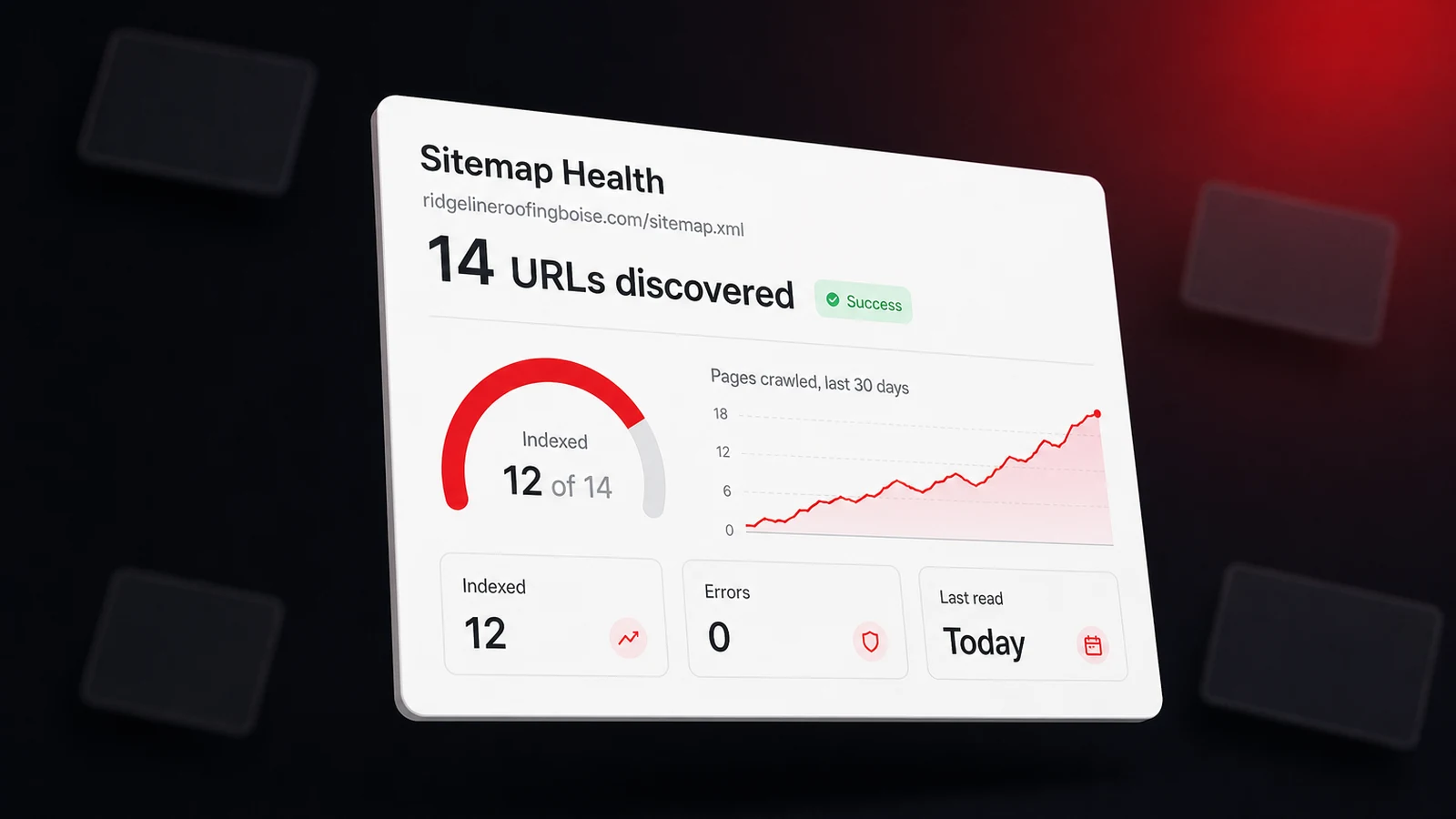
What Is an XML Sitemap, and Does It Help SEO?
An XML sitemap is the page list you hand search engines. Here's what Google reads in it, what it ignores, whether a local business site needs one, and how to check yours in two minutes.
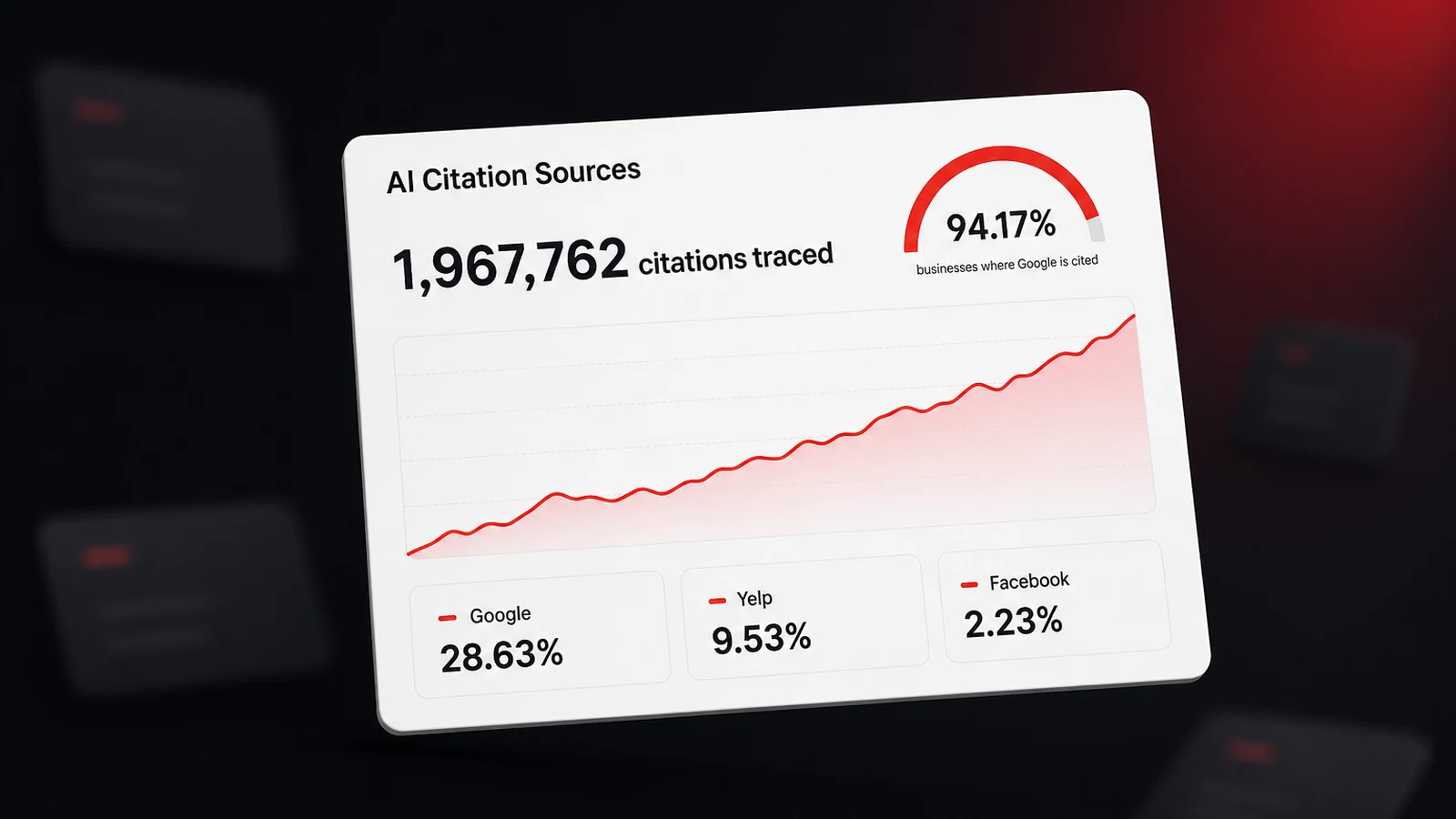
Where AI Gets Its Data About Your Local Business
Nearly 2 million logged citations show exactly where AI assistants pull local business facts from. The list is shorter than you'd guess, and you can claim every spot on it.
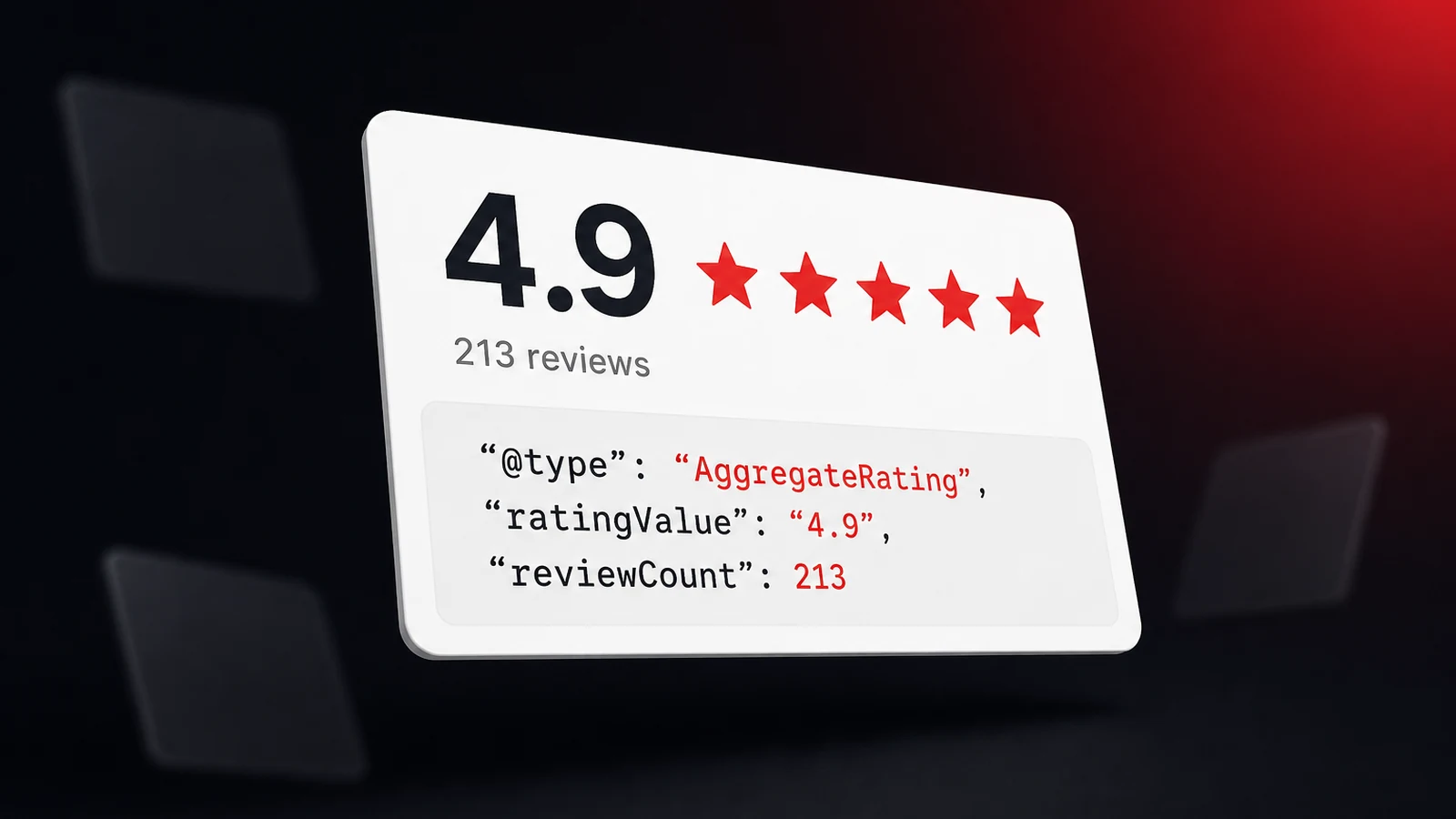
AggregateRating Schema for Local SEO
AggregateRating is the schema that puts your star rating in code machines can read. Here's how it works, the reason your own stars often won't show in Google search, and how to write one that holds up.
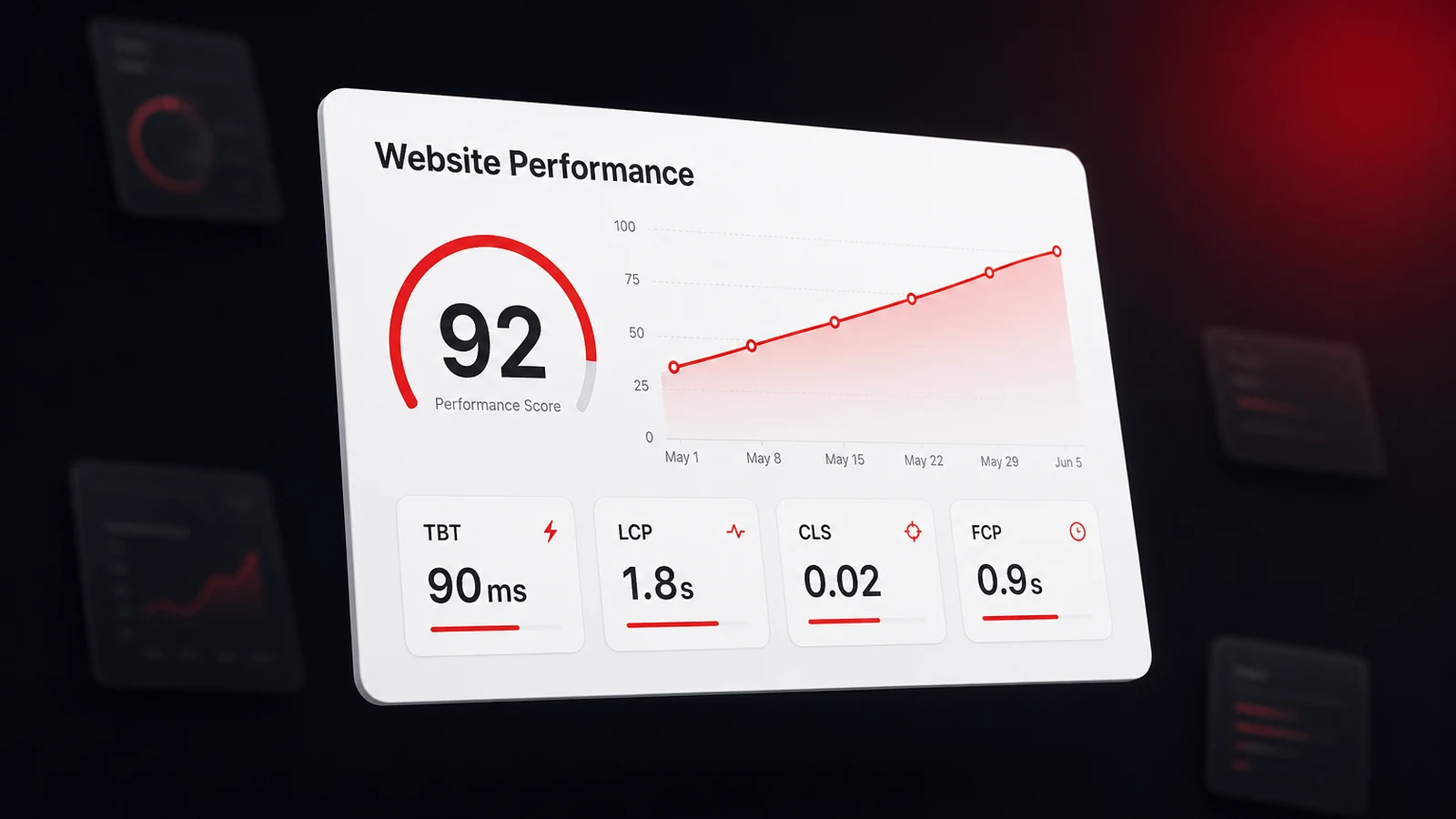
Core Web Vitals in Plain English
Someone told you your site "fails Core Web Vitals" and it sounded like a foreign language. Here's what LCP, INP, and CLS actually mean, how to measure them in Chrome, and how to fix them with AI.
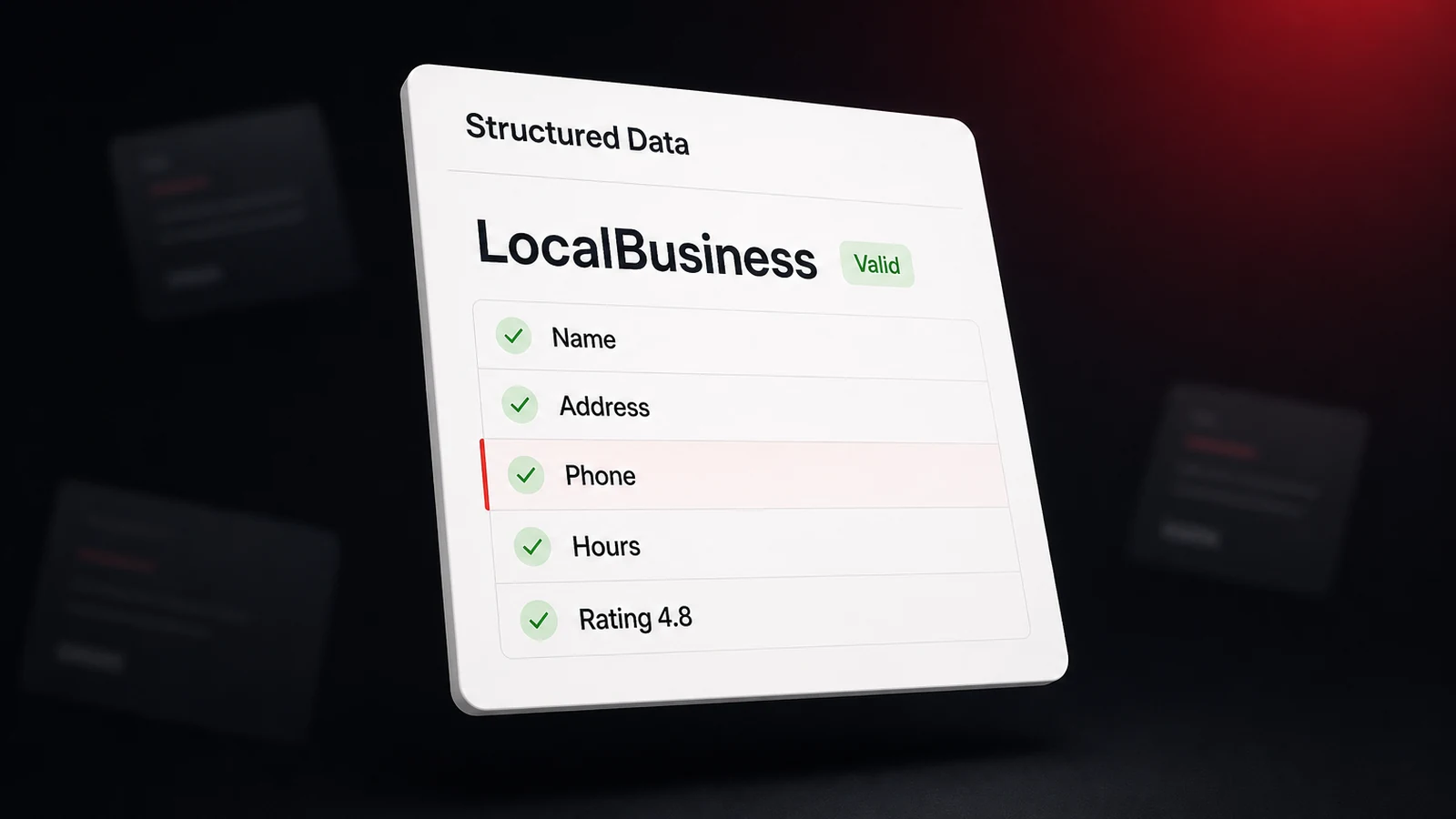
What Is Local Schema Markup, and How Do You Add It?
A few lines of code can tell Google and AI exactly what your business is, where it works, and when it's open, no guessing required. Here's how local schema markup works, and how to add it in one sitting.
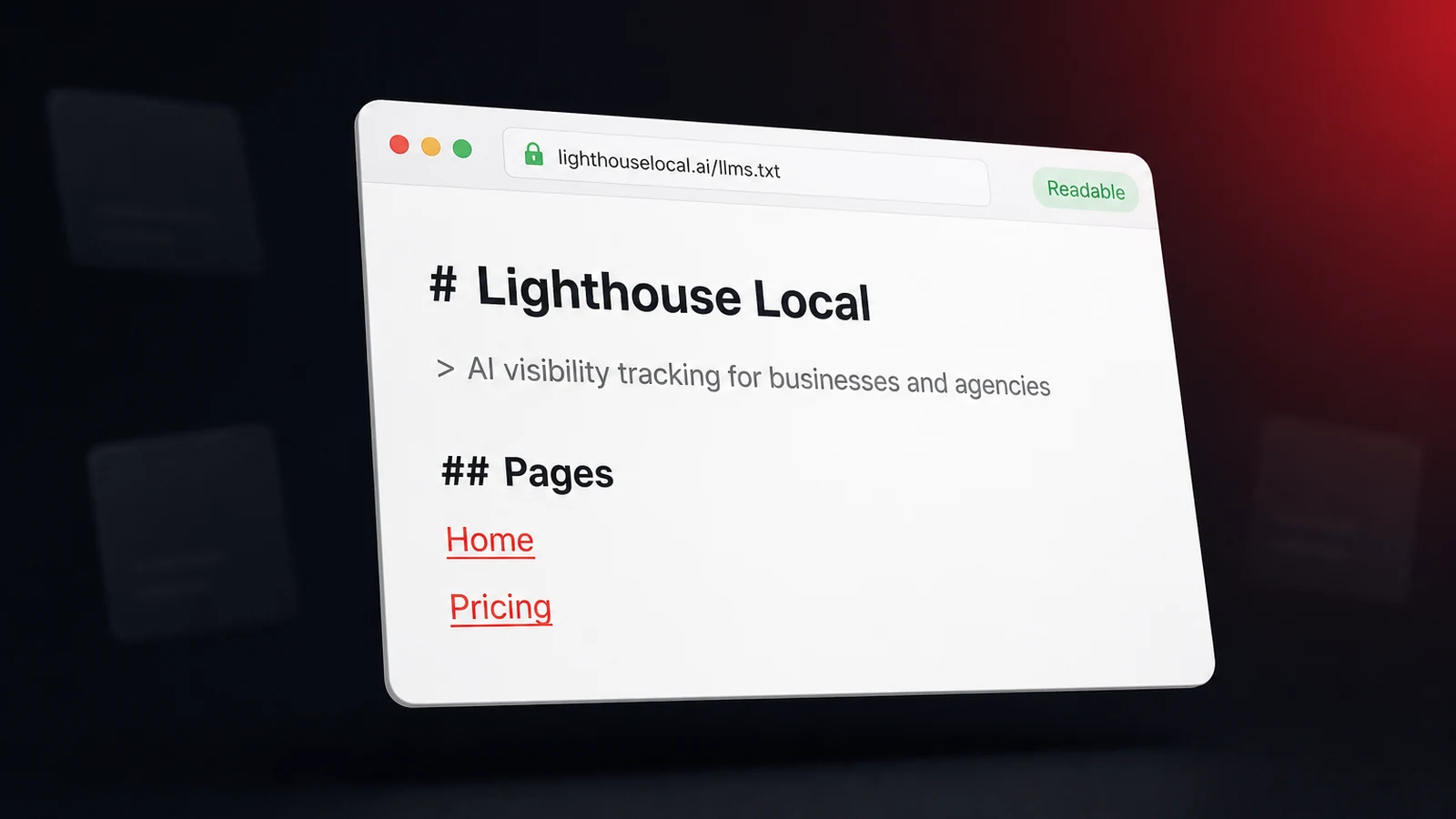
What Is llms.txt, and Do You Need One?
More AI models read your site before they recommend anyone. An llms.txt file hands them a clean summary instead of your raw code. Here's what it is, whether you need one, and where it goes.
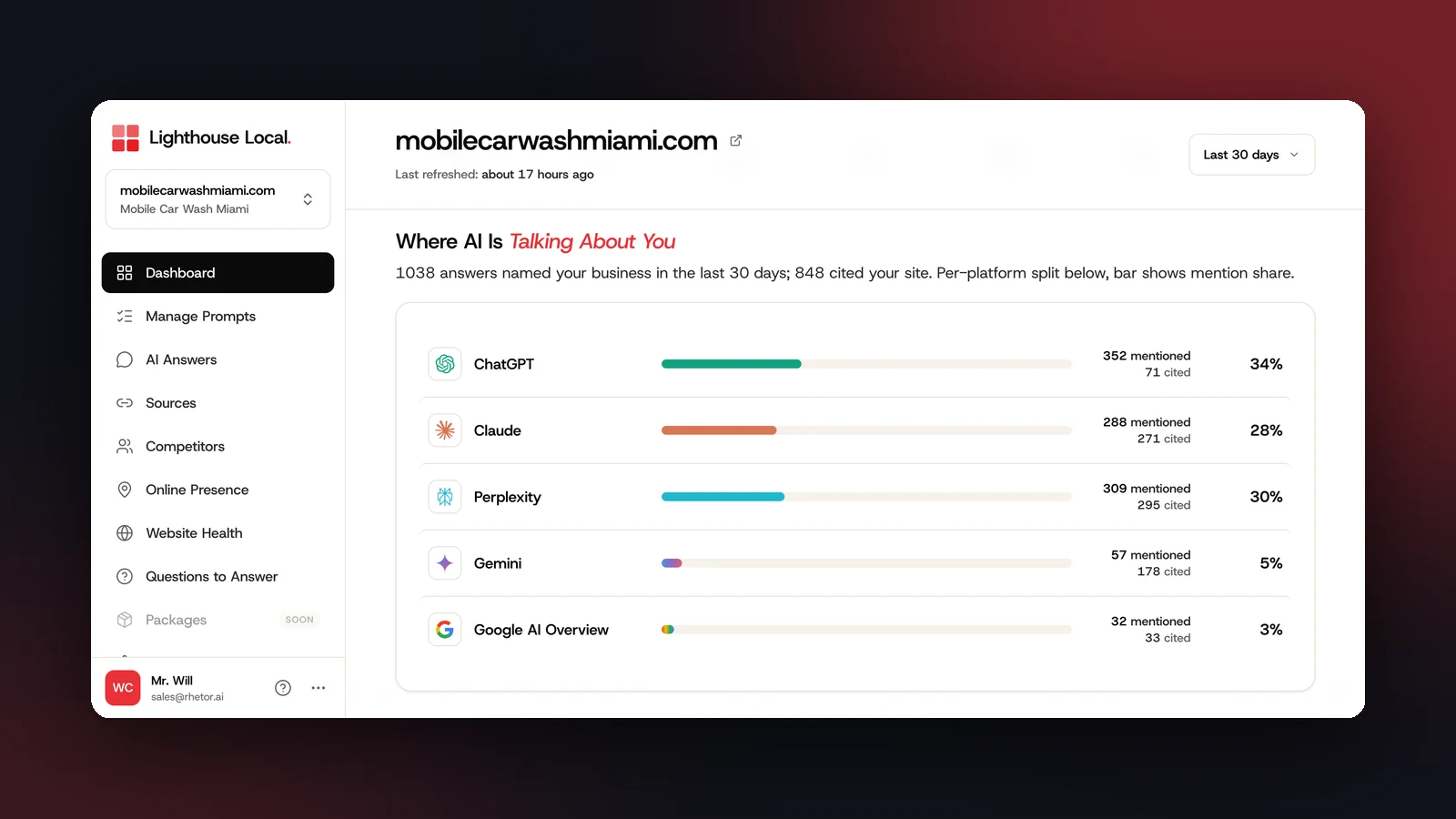
How to Get Your Business Recommended by AI
When a customer asks AI for a business like yours, only a few names come up. Here's how AI decides who to recommend, how to check where you stand, and what to fix to get named more often.
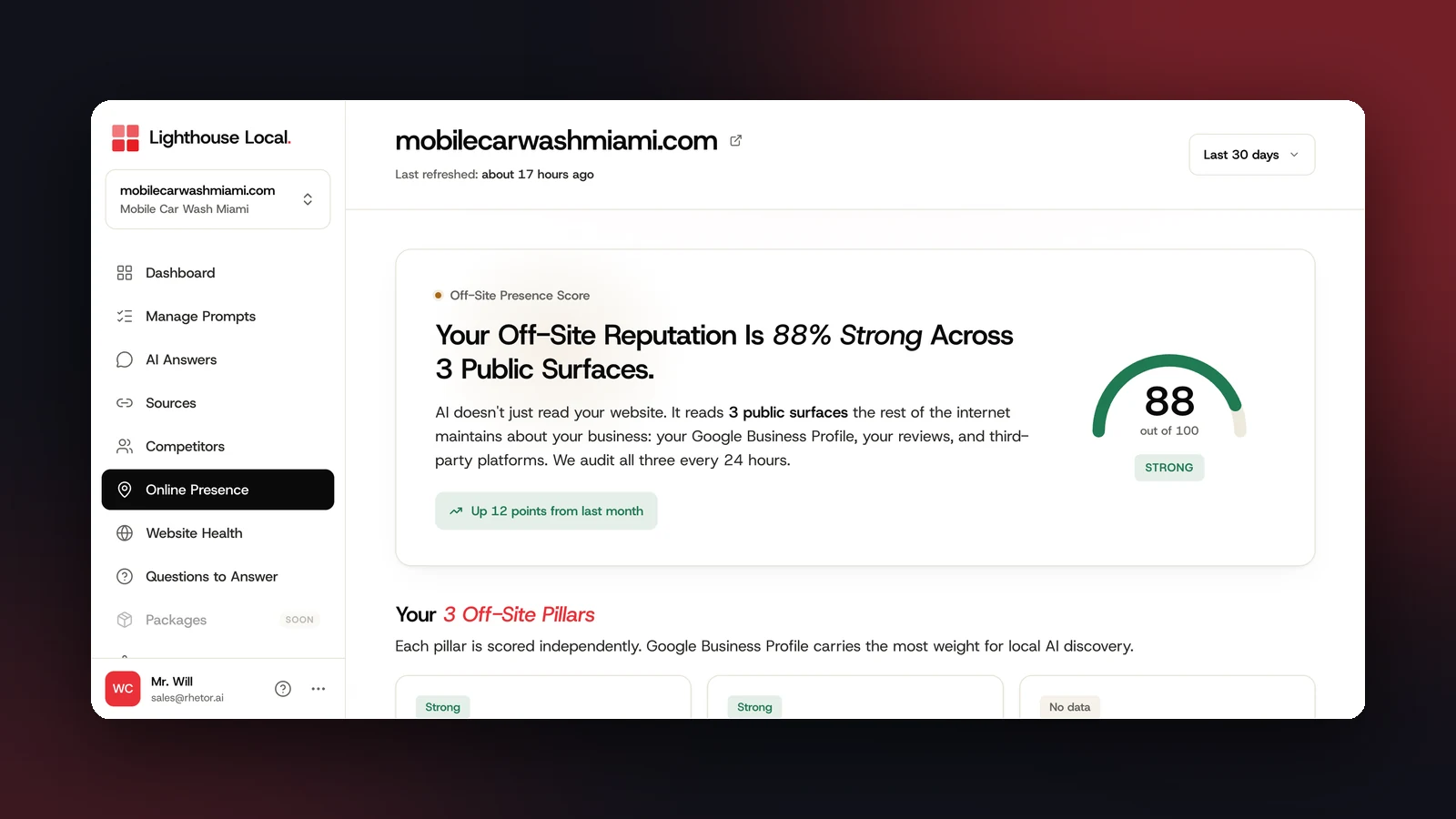
How Reviews Shape AI Recommendations
The assistants that recommend businesses lean heavily on your reviews, how many, how recent, how good, and what they say. Here's how reviews feed AI recommendations, and how to make yours work harder.